Connecting Digital Asset Flows with Sequential Reward Layers in App-Centric Gaming Ecosystems
Zoe Becker · Jun 8, 2026
Connecting Digital Asset Flows with Sequential Reward Layers in App-Centric Gaming Ecosystems
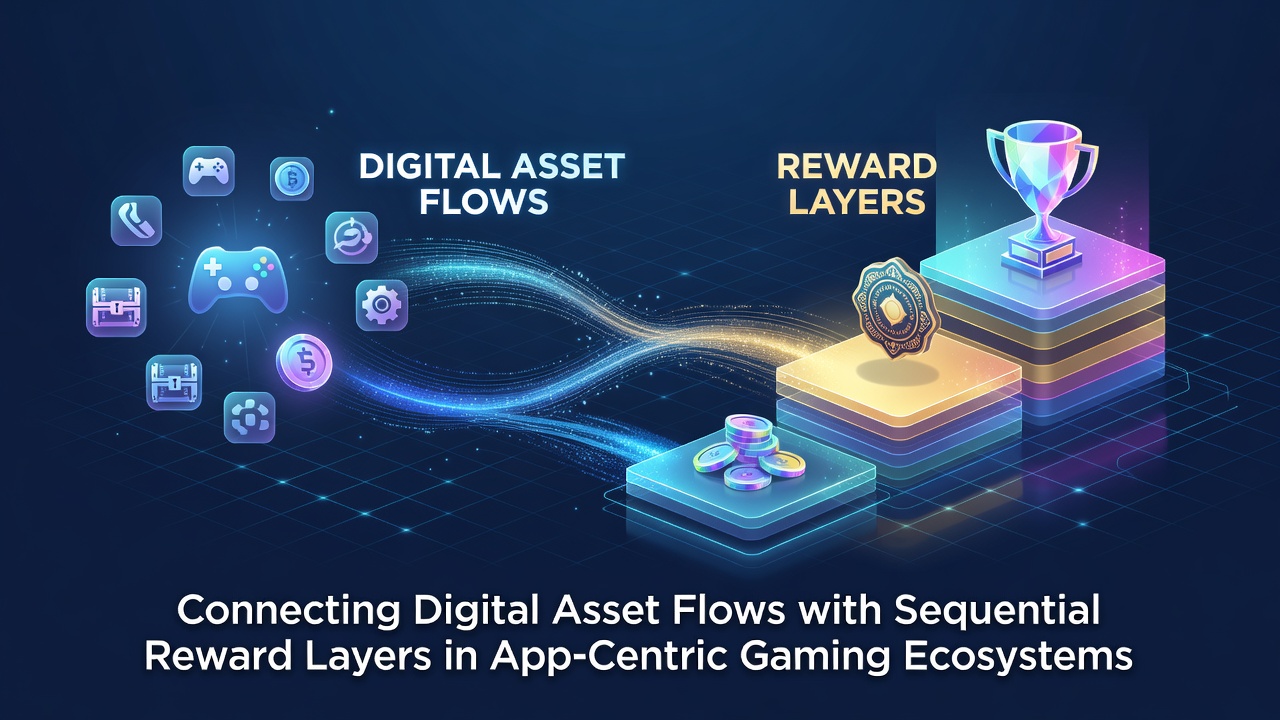
Digital asset flows in app-centric gaming ecosystems operate through structured pathways that link in-game currencies, tokens, and blockchain-based items to player progression systems. These flows track the movement of value from initial acquisition through multiple stages of use and exchange, while sequential reward layers stack incentives based on cumulative activity. Observers note that such connections allow apps to maintain consistent engagement metrics across platforms as of June 2026.
Mechanics of Digital Asset Movement
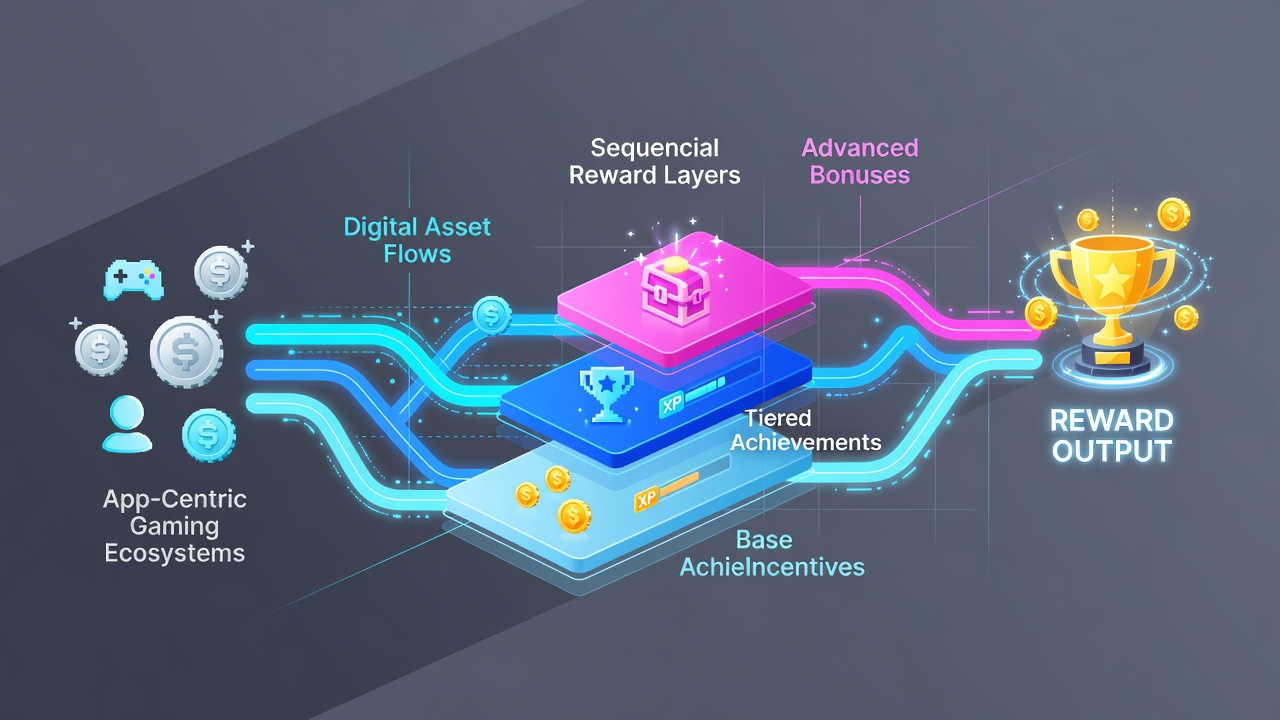
Digital assets enter gaming applications through purchases, rewards, or peer transfers and then circulate according to predefined rules set by developers. In many ecosystems these assets convert into experience points or unlockable features once they reach designated thresholds. Data from industry analyses shows that transaction volumes in mobile gaming apps increased steadily through the first half of 2026 with token-based economies accounting for a measurable share of total activity. Researchers have mapped these movements using on-chain analytics that record each transfer and conversion event.
Sequential layers build on this foundation by assigning rewards in ordered stages. The first layer typically grants basic items after minimal playtime while later layers require sustained participation or specific asset combinations. Experts have documented cases where players advance through five or more layers before accessing premium digital items. This ordering creates predictable progression paths that align asset inflows with reward outflows.
Integration Patterns Across Platforms
App developers connect asset flows to reward layers through application programming interfaces that synchronize player data with backend ledgers. When a user completes a layer milestone the system automatically adjusts asset balances and issues the next tier of incentives. Studies released in June 2026 indicate that seamless integration reduces friction in asset transfers and increases retention rates within major gaming titles. One analysis from the Entertainment Software Association highlighted how cross-platform synchronization supports consistent reward delivery across devices.
Token standards such as those built on established blockchain protocols facilitate these connections by providing verifiable ownership records. Developers embed smart contract logic that triggers layer advancement once asset thresholds are met. Figures from research institutions reveal that ecosystems using standardized tokens experience fewer discrepancies between reported and actual asset movements. This standardization also supports secondary markets where players exchange assets after completing sequential reward cycles.
Observed Trends in Mid-2026
Market data compiled through June 2026 demonstrates that app-centric gaming platforms increasingly rely on layered reward systems to manage digital asset distribution. Reports from academic research groups at universities in North America and Europe document higher asset velocity when rewards follow strict sequential order rather than random allocation. These patterns appear in both free-to-play titles and those with premium entry points.
Regulatory bodies in regions such as Australia and Canada have begun tracking how asset flows intersect with consumer protection guidelines. Their preliminary findings note that transparent layer mechanics help users understand the value progression within each ecosystem. Industry organizations continue to publish aggregated statistics that show gradual adoption of hybrid models combining traditional in-app purchases with blockchain-verified rewards.
Technical Considerations for Developers
Building reliable connections requires careful calibration of asset supply against reward demand. Developers monitor on-chain metrics and in-app telemetry to adjust layer requirements in real time. When asset inflows exceed planned outflows the system can introduce additional layers or modify exchange rates. Data indicates that proactive adjustments maintain balance and prevent inflation within closed economies.
Security protocols protect these flows through multi-signature wallets and encrypted transaction logs. Sequential layers incorporate verification steps that confirm asset legitimacy before releasing rewards. Observers have recorded fewer incidents of unauthorized transfers in ecosystems that combine these verification methods with regular audits. Research published in 2026 underscores the importance of maintaining audit trails that span both centralized servers and distributed ledgers.
Future Directions in Ecosystem Design
Continued evolution of asset and reward connections points toward greater interoperability between different gaming applications. Standards bodies are evaluating frameworks that would allow assets earned in one ecosystem to contribute toward layers in another. Early pilot programs launched before June 2026 have tested limited cross-app transfers with positive results on user retention metrics.
Those who study these systems note that successful implementations balance accessibility with progression depth. Layer designs that scale rewards proportionally to asset investment tend to sustain longer engagement cycles. Figures from multiple research reports confirm that transparent mechanics correlate with higher overall participation rates across diverse player demographics.
Conclusion
Connections between digital asset flows and sequential reward layers continue to shape the structure of app-centric gaming ecosystems. Integration relies on synchronized data systems, standardized token protocols, and calibrated progression mechanics. Information gathered through June 2026 shows steady development in these areas alongside growing attention from research and regulatory entities. Developers and analysts track these patterns to refine ecosystem performance while maintaining verifiable records of asset movement and reward distribution.