Decoding Algorithm-Driven Personalization in Tiered Loyalty Pathways for App-Based Gaming Incentives
Paul Reed · Jun 6, 2026
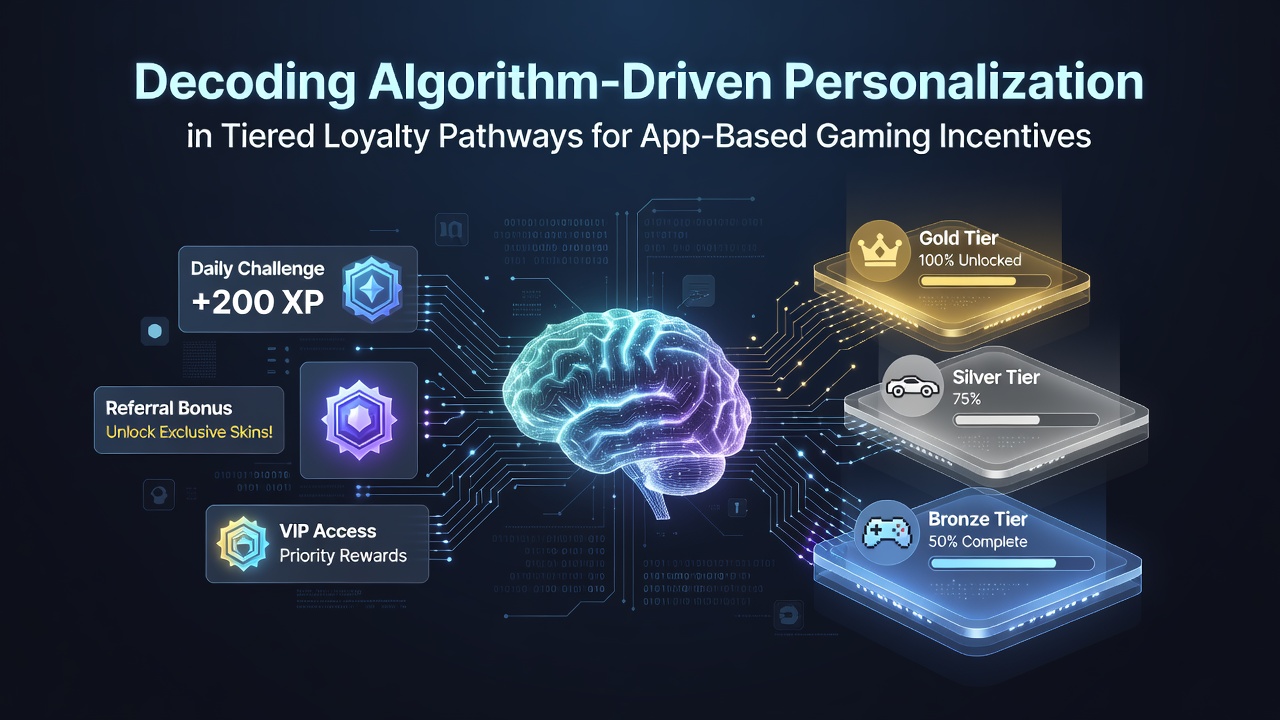
Decoding Algorithm-Driven Personalization in Tiered Loyalty Pathways for App-Based Gaming Incentives
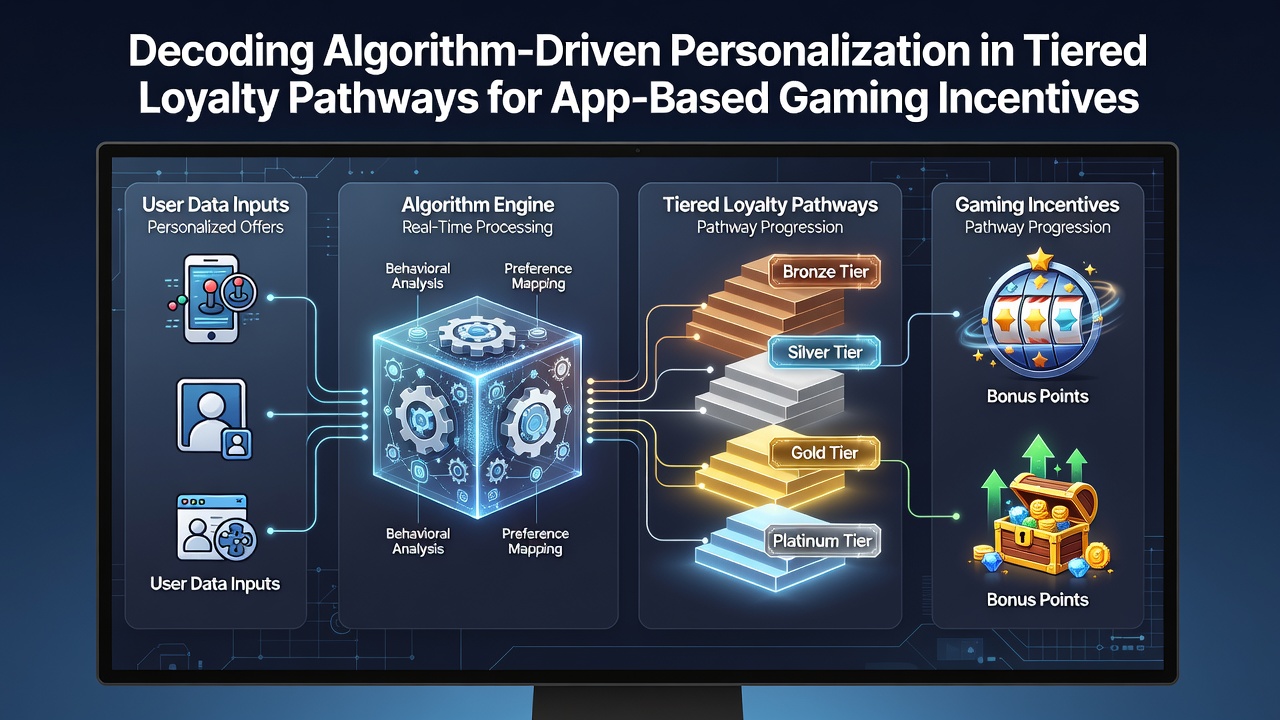
App-based gaming platforms rely on algorithms to shape loyalty pathways that adjust rewards based on individual player behavior, and these systems operate across multiple tiers that unlock escalating incentives such as bonus credits, free spins, and cashback percentages. Data indicates that personalization engines process inputs like session duration, bet sizing patterns, and deposit frequency to assign users to tiers ranging from entry-level bronze structures to elite diamond classifications, while the process maintains compliance with jurisdictional rules on fair play disclosures.
Operators collect telemetry from mobile sessions to feed machine learning models that predict future engagement levels, and these predictions determine which incentives appear in user notifications or in-app dashboards. Studies from research institutions show that such models often incorporate reinforcement learning techniques where the system refines its recommendations after each interaction cycle, creating pathways that evolve with the player's history rather than applying static rules across all accounts.
Mechanics of Tier Assignment and Algorithm Inputs
Tier progression hinges on cumulative metrics that algorithms evaluate in real time, including total wager volume over rolling 30-day windows alongside secondary signals like social sharing activity or completion of daily challenges, whereas the models weigh these factors differently depending on the jurisdiction's reporting requirements. In practice this means a player who deposits frequently but wagers modestly may advance faster than one who places occasional large bets, because the algorithm prioritizes retention signals over single-transaction size.
Segmentation occurs through clustering methods that group users by similarity in behavioral vectors, and once assigned the pathway activates targeted offers such as tier-specific multiplier events or exclusive tournament entries. Observers note that these clusters update continuously, allowing movement between tiers without manual intervention from support teams, while audit logs record every adjustment to satisfy regulatory oversight from bodies like the Nevada Gaming Control Board.
Personalization Layers Within App Ecosystems
Within the app environment algorithms extend beyond tier placement to customize incentive delivery channels, choosing between push notifications, email sequences, or in-game pop-ups based on which format historically yields higher redemption rates for similar user profiles. Research indicates that timing also factors into the equation, with models identifying optimal windows for offer presentation such as immediately after a losing streak to encourage continued play or following a win to reinforce positive associations.
Geographic variations influence how these systems function, since European operators under Malta Gaming Authority guidelines must display clear probability information for any randomized rewards, while North American platforms align with state-specific standards that emphasize responsible gaming messaging alongside the offers. As of June 2026 several major operators reported integrating cross-platform data from both iOS and Android sessions to create unified loyalty profiles, reducing fragmentation that previously limited personalization accuracy.
Integration With Broader Incentive Structures
Algorithm outputs feed directly into larger promotional calendars, determining which users receive invitations to limited-time events or receive accelerated progress toward milestone bonuses, and this integration creates compounding effects where early-tier players see modest daily login rewards while higher-tier users access scaled versions of the same mechanics. Figures from industry analyses reveal that retention metrics improve when pathways incorporate both short-term micro-incentives and long-term tier advancement goals, because the dual structure maintains engagement across different play frequencies.
External data sources sometimes augment internal models, with operators pulling anonymized market trends from organizations like the American Gaming Association to benchmark their own tier distributions against regional averages. Such benchmarking helps calibrate algorithms so that reward generosity remains competitive without exceeding internal profitability thresholds, and adjustments occur quarterly based on aggregated performance reports.
Regulatory and Technical Considerations
Compliance frameworks require transparency around how algorithms influence outcomes, prompting many platforms to publish simplified explanations of tier criteria within their terms, while technical teams implement safeguards that prevent discriminatory outcomes based on protected characteristics. Data from regulatory filings shows increased scrutiny on algorithmic fairness testing, particularly in markets where app-based gaming expanded rapidly following 2025 legislative updates.
Security protocols protect the underlying datasets against unauthorized access, employing encryption and access controls that limit employee visibility to aggregated outputs rather than individual records. These measures align with broader data protection standards and support audit trails that regulators examine during periodic reviews of loyalty program operations.
Conclusion
Algorithm-driven personalization continues to define how tiered loyalty pathways deliver app-based gaming incentives, shaping player experiences through continuous analysis of behavioral data and dynamic reward adjustments. As platforms refine these systems through mid-2026 and beyond, the focus remains on maintaining regulatory alignment while supporting engagement across diverse user segments.