Examining Algorithmic Matching Systems That Distribute Tailored Incentives Within Interactive Betting Environments
Petra Jenkins · Jun 11, 2026

Examining Algorithmic Matching Systems That Distribute Tailored Incentives Within Interactive Betting Environments
Algorithmic matching systems have become central to how interactive betting platforms deliver incentives that align with individual user patterns, and these tools rely on data inputs such as betting frequency, session duration, and game preferences to generate targeted rewards. Operators deploy these systems across mobile apps and web environments where real-time adjustments occur based on live activity streams, which allows platforms to match offers like deposit matches or free bet credits to users whose histories suggest higher engagement potential. Data from regulatory filings indicates that such personalization has expanded alongside the growth of online betting markets, particularly in jurisdictions that track iGaming metrics closely.
Core Components of Matching Algorithms
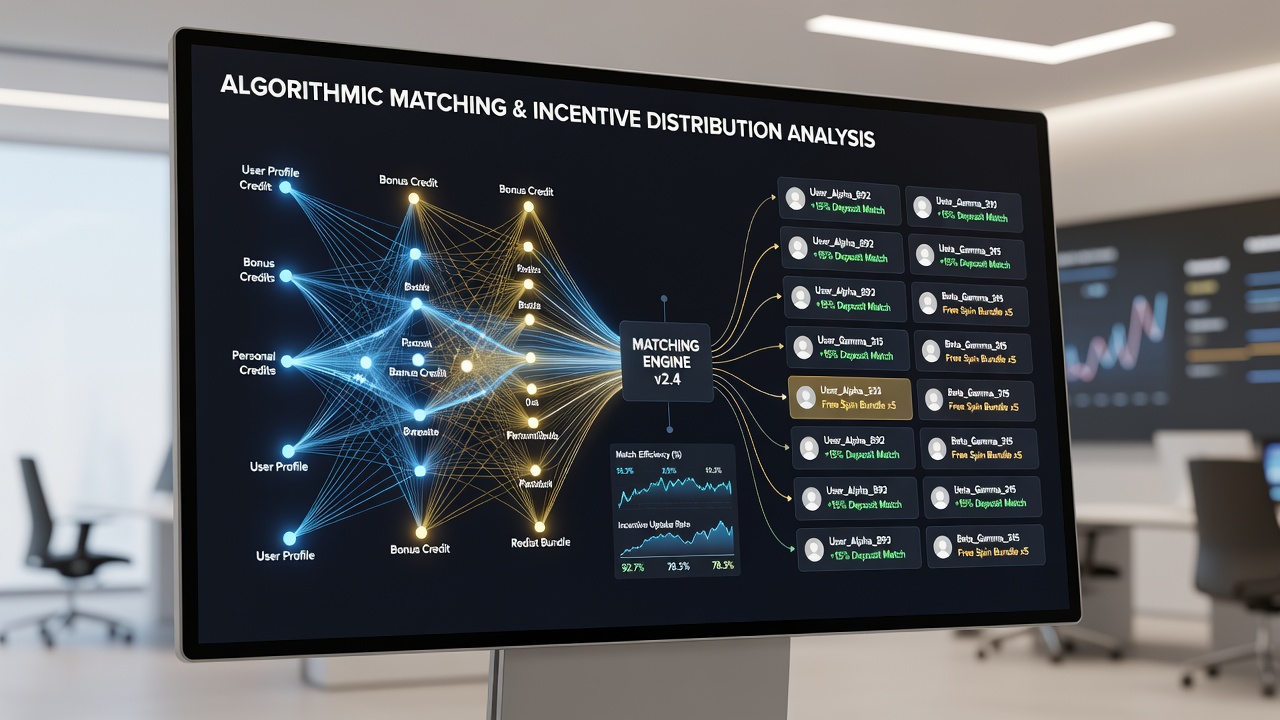
Matching algorithms typically incorporate machine learning models trained on historical user datasets, and these models segment participants into cohorts defined by metrics like average wager size and retention intervals. The process begins with data ingestion from user accounts, after which clustering techniques identify similarities across thousands of profiles, enabling the system to assign incentive types without manual intervention. Observers note that platforms often update these models weekly to incorporate fresh behavioral signals, while integration with payment gateways allows instant delivery of matched rewards once eligibility criteria are met through automated checks.
Application in Live Betting Scenarios
Within live betting interfaces, algorithmic systems trigger incentives during active sessions when predefined thresholds are crossed, such as consecutive losses or extended play times, and this timing helps maintain user presence on the platform. For instance, one operator in a regulated market deployed a model that paired loss-mitigation credits with users exhibiting rapid deposit patterns, resulting in documented shifts in session length according to internal performance logs. Researchers from academic institutions have examined similar deployments and found that the algorithms prioritize variables like time-of-day activity and device type to refine matches further, although exact weighting remains proprietary in most cases.
Data Sources and Model Refinement
Platforms source the necessary inputs from account registrations, transaction histories, and in-app navigation logs, then feed this information into neural networks that predict which incentive categories will align with continued participation. A study released by the University of Nevada, Las Vegas in early 2026 highlighted how refinements to these models improved match accuracy by incorporating geolocation data alongside behavioral metrics, and the findings pointed to measurable differences in uptake rates across urban versus regional user groups. Updates to these systems occur through A/B testing cycles where control groups receive standard offers while test groups see algorithmically tailored versions, allowing operators to iterate based on conversion statistics gathered over multi-week periods.
Regulatory Context in Mid-2026
By June 2026 several jurisdictions had begun requiring transparency reports on how algorithmic systems determine incentive eligibility, with the New Jersey Division of Gaming Enforcement issuing updated guidelines that mandate disclosure of basic model parameters to oversight bodies. These rules emerged after earlier analyses showed variance in how different demographic segments received tailored offers, prompting calls for standardized auditing procedures across state lines. In parallel, Canadian provincial regulators in Ontario introduced similar oversight measures focused on data handling practices within interactive betting environments, emphasizing consent protocols for the collection of behavioral inputs used in matching processes.
Technical Integration Patterns
Integration occurs through application programming interfaces that connect the matching engine to both the front-end betting interface and backend reward ledgers, ensuring that once an algorithm identifies a suitable match the corresponding incentive activates without user-initiated steps. Developers often embed feedback loops within these architectures so that post-incentive performance data loops back into the model for subsequent iterations, which creates a cycle of continuous calibration. Industry reports from the European Gaming and Betting Association have documented that such loops reduce latency between user action and incentive delivery to under two seconds in optimized deployments, supporting seamless experiences during high-volume betting periods.
Conclusion
Algorithmic matching systems continue to shape incentive distribution in interactive betting by processing large volumes of user data into precise offer assignments, and ongoing regulatory developments in multiple regions reflect efforts to balance operational efficiency with accountability standards. As platforms refine these tools through iterative testing and cross-jurisdictional compliance, the underlying data flows and model structures remain key areas for further examination by researchers and oversight agencies alike.