How Virtual Currency Layers Shape Progressive Reward Chains in Portable Gaming Apps
Petra Jenkins · Aug 22, 2026
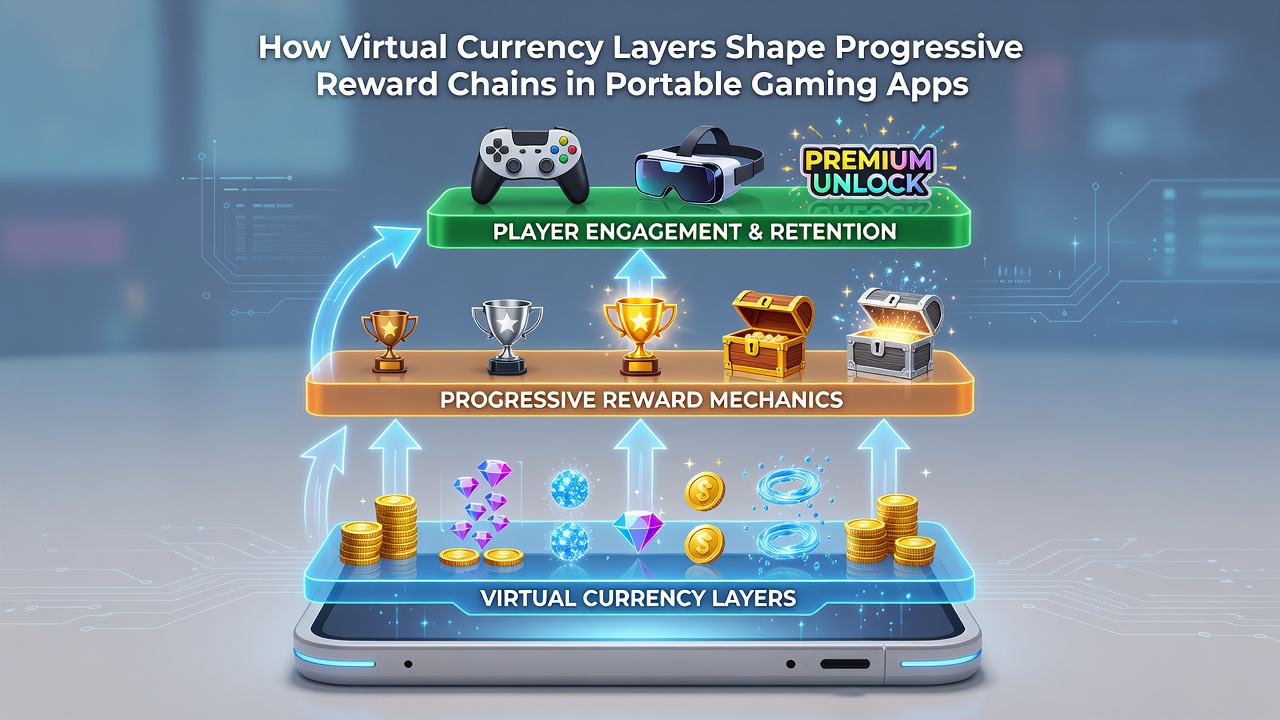
How Virtual Currency Layers Shape Progressive Reward Chains in Portable Gaming Apps
Portable gaming apps rely on virtual currency structures that stack in distinct layers, each one feeding into the next to build extended sequences of player advancement. Primary currencies often come from direct purchases while secondary forms accumulate through daily tasks and tertiary variants unlock only after sustained progression milestones. These layers connect in sequences where lower-tier assets convert into higher-value rewards, creating chains that lengthen as engagement continues.
Core Mechanics of Layered Currency Systems
Developers design entry-level currencies such as basic coins or energy points that players earn through short sessions, and these feed directly into mid-level resources like gems or tokens that require more complex challenges. Observers note that conversion rates between layers typically follow fixed ratios set by algorithms, which adjust based on aggregate user data collected across regions. In August 2026 reports from multiple app analytics platforms, conversion events between currency tiers showed consistent patterns where players who complete three consecutive daily objectives receive a multiplier that accelerates access to premium layers.
Research from the Entertainment Software Association indicates that over 70 percent of top-grossing mobile titles in North America incorporate at least three distinct currency layers, each tied to separate reward thresholds. Those who study these systems find that the progression chains become self-reinforcing once players cross the second layer, because accumulated assets from earlier stages automatically qualify for bonus multipliers in later stages.
Sequential Reward Pathways in Mobile Ecosystems
Progressive chains emerge when currency layers align with milestone events such as level-ups, event completions, or social sharing actions. One study from Australian game research groups revealed that players who exchange entry-level currency for mid-tier resources complete subsequent challenges 40 percent faster on average than those who bypass the exchange step. The chains extend further when tertiary currencies activate exclusive content, turning routine play into extended sequences that span multiple weeks.
Algorithmic distribution plays a central role, matching reward offers to individual play patterns recorded in real time. Data from Canadian digital entertainment councils shows that personalization engines increase chain completion rates by routing specific currency bundles to users who have stalled at particular thresholds. This matching occurs without manual intervention, relying instead on pattern recognition across millions of sessions logged each month.
Examples Across Popular App Categories
Take puzzle applications where basic coins collected during standard matches convert into power-ups that clear higher-difficulty boards, which in turn grant access to seasonal tokens redeemable only during limited events. Observers tracking these flows document how the layers create natural breakpoints that encourage repeated returns rather than one-time sessions. Role-playing titles follow similar structures, with experience points feeding into character upgrades that unlock story branches payable only through premium currency earned from prior stages.
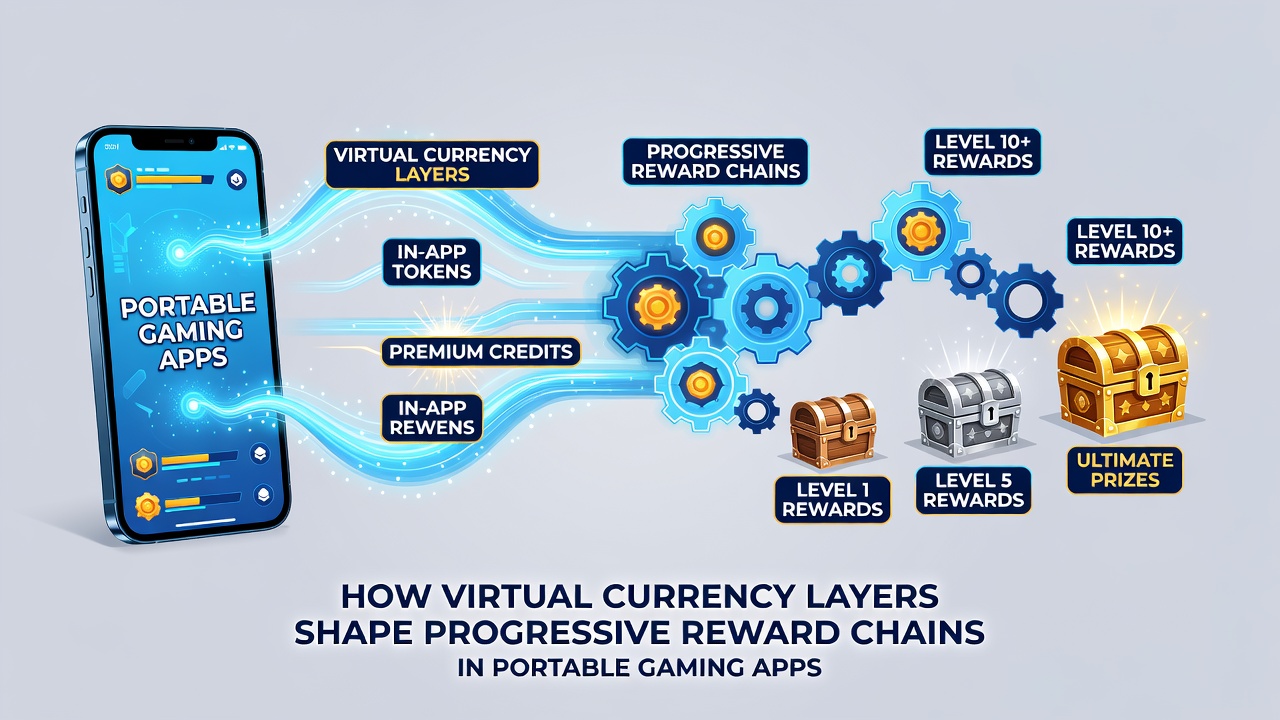
Simulation games demonstrate another variation where farm resources accumulate in the first layer, convert to expansion materials in the second, and finally produce limited-edition items in the third. Figures released in mid-2026 by European mobile industry associations highlight that titles employing these layered sequences retain users for an average of 12 additional days compared with single-currency counterparts.
Algorithmic Influences on Chain Development
Matching systems analyze session length, spend history, and social interactions to determine which currency layer receives promotional boosts at any given moment. Those who've examined the backend processes report that dynamic pricing adjusts exchange rates between layers in response to collective player behavior, preventing bottlenecks that could interrupt chain flow. In practice this means a player stuck at the mid-tier might receive an automated offer that accelerates conversion without altering the underlying structure.
Geographic variations appear in how these algorithms prioritize layers. Markets in Asia-Pacific regions often emphasize social currency exchanges that link multiple accounts, whereas North American implementations focus more on solo progression metrics. Cross-border data comparisons compiled by international gaming research networks confirm these differences persist even when the same app runs on identical codebases.
Conclusion
Virtual currency layers in portable gaming apps function as interconnected stages that generate extended reward sequences through automated conversions and milestone triggers. Evidence from industry reports and academic examinations shows these systems operate consistently across genres and regions, with algorithmic tools refining the pace and distribution of progression opportunities. As data collection expands through 2026 and beyond, the architecture of these chains continues to evolve in response to measured player patterns rather than static designs.