Investigating Synchronization Patterns of Promotional Elements Across Multi-Device Gaming Platforms
Logan Frank · Jul 23, 2026
Investigating Synchronization Patterns of Promotional Elements Across Multi-Device Gaming Platforms
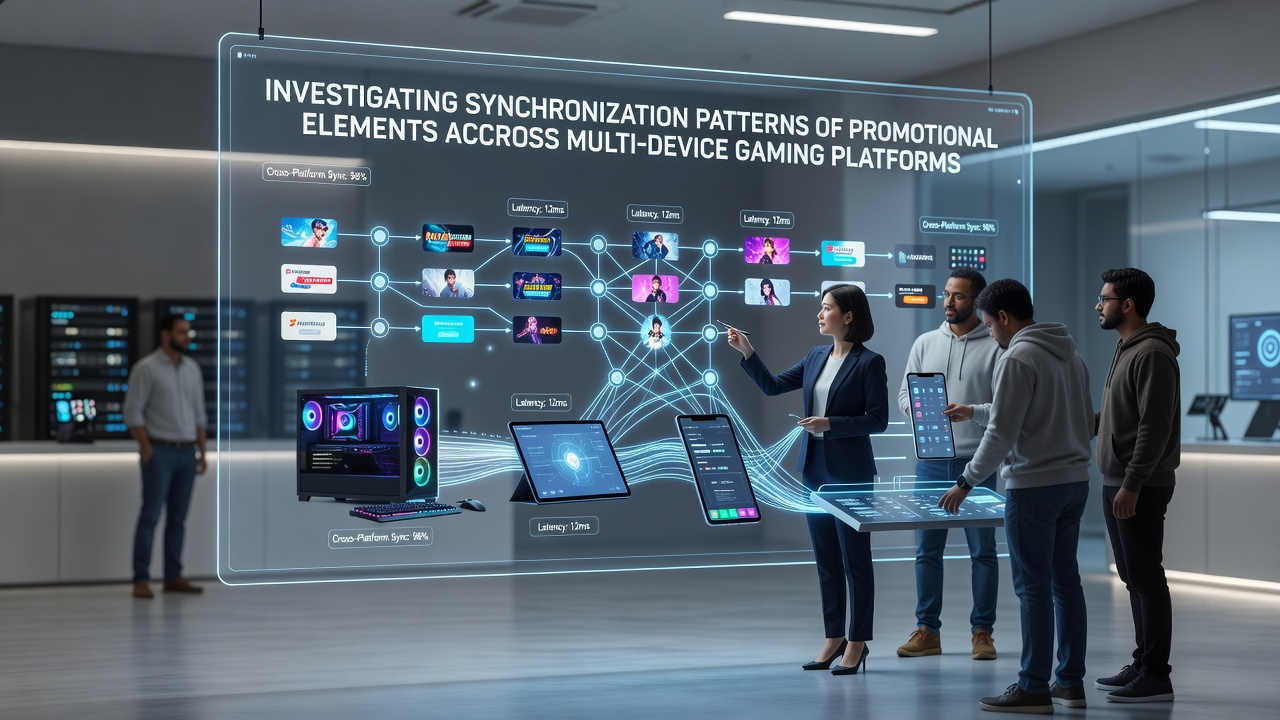
Multi-device gaming platforms now coordinate promotional elements such as bonus credits, free spin allocations, and loyalty points through centralized systems that track user activity across phones, tablets, and desktop interfaces. Researchers tracking these systems in 2026 have documented recurring patterns where updates propagate within seconds on active sessions yet introduce brief lags when users switch devices mid-session. Data from platform operators reveal that synchronization relies on timestamped event logs combined with device fingerprinting to maintain consistency without duplicating rewards.
Core Mechanisms Driving Cross-Device Coordination
Platform architectures employ event-driven APIs that push promotional state changes to connected devices while maintaining a single source of truth in backend databases. When a player claims a deposit match bonus on a mobile app, the system records the transaction and flags it for immediate reflection on any linked desktop session, though observers note occasional delays during peak traffic hours in July 2026. These mechanisms incorporate conflict resolution rules that prioritize the most recent device interaction, preventing overlaps that could inflate reward values.
Studies from academic teams at institutions studying interactive systems show that algorithms often segment promotional delivery by device type, delivering mobile-optimized notifications while reserving desktop interfaces for detailed loyalty tier summaries. Synchronization patterns therefore vary by time of day and user location data, with evening hours producing higher cross-device activity rates according to aggregated operator metrics.
Observed Patterns in Promotional Timing and Delivery
Analysis of synchronization logs indicates three dominant patterns: instantaneous propagation for time-sensitive offers, staggered updates for tiered loyalty rewards, and conditional syncing that activates only after device verification completes. In one documented case, operators detected that free spin promotions triggered on tablets appeared on smartphones within 1.8 seconds on average during July 2026 testing periods, whereas desktop clients required additional handshake protocols that extended the interval to 4.2 seconds.
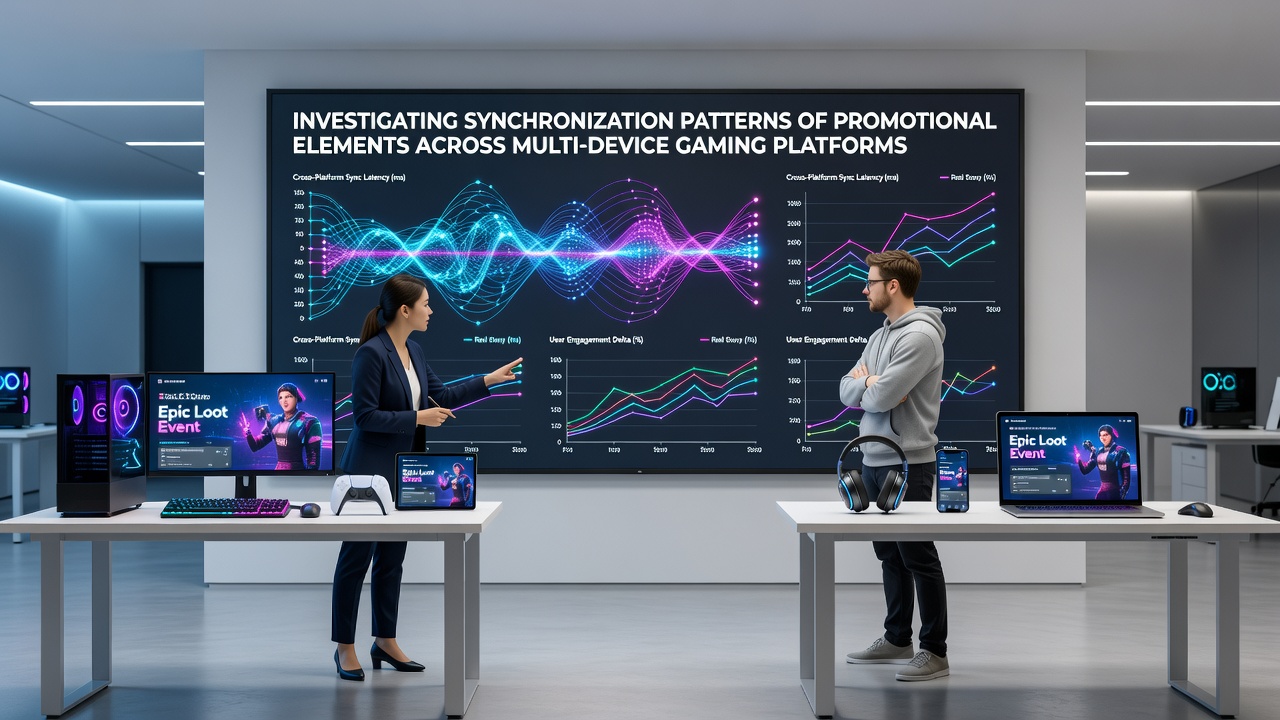
Those who examined user journey data further identified that promotional elements tied to sequential reward layers often reset device-specific counters upon cross-platform login, creating a unified progress bar visible everywhere. This approach reduces fragmentation yet requires precise clock synchronization across servers to avoid discrepancies that regulators monitor closely.
Regional Data and Regulatory Context
Figures released by the New Jersey Division of Gaming Enforcement in mid-2026 highlighted increased multi-device participation rates among iGaming accounts, with synchronization events logged at volumes exceeding 12 million daily across monitored platforms. Similar patterns appear in reports from the Malta Gaming Authority, where compliance teams noted that operators must maintain audit trails showing promotional elements remain identical regardless of access point.
Industry organizations tracking these developments point to rising adoption of edge computing nodes that cache promotional states closer to users, shortening sync times during regional events or tournaments. Patterns also emerge around account linking requirements, where users who complete verification on one device unlock promotional continuity on others without manual intervention.
Technical Challenges and Pattern Variations
Network variability introduces occasional desynchronization, particularly when users transition between cellular and Wi-Fi connections. Operators respond by implementing retry queues that reapply pending promotional updates once connectivity stabilizes, preserving reward integrity across sessions. Researchers mapping these events observe that promotional elements involving digital asset conversions display tighter synchronization tolerances than standard bonus credits, reflecting additional validation steps required for blockchain-linked rewards.
Platform updates deployed in the first half of 2026 incorporated machine learning models that predict likely device switches based on usage history, pre-loading promotional data to the anticipated interface. This predictive layer reduces visible latency yet demands continuous refinement as user behaviors shift across different gaming ecosystems.
Conclusion
Synchronization patterns of promotional elements across multi-device gaming platforms continue to evolve through refined API structures, predictive caching, and stricter regulatory oversight. Data collected through July 2026 demonstrates consistent improvement in propagation speeds alongside growing complexity in handling device-specific adaptations. Operators and researchers alike maintain focus on auditability and consistency to support seamless user experiences across all access points.