Mapping User Journeys Through Tiered Incentive Programs in Mobile-First Gaming Platforms
Drew Franke · Jun 13, 2026
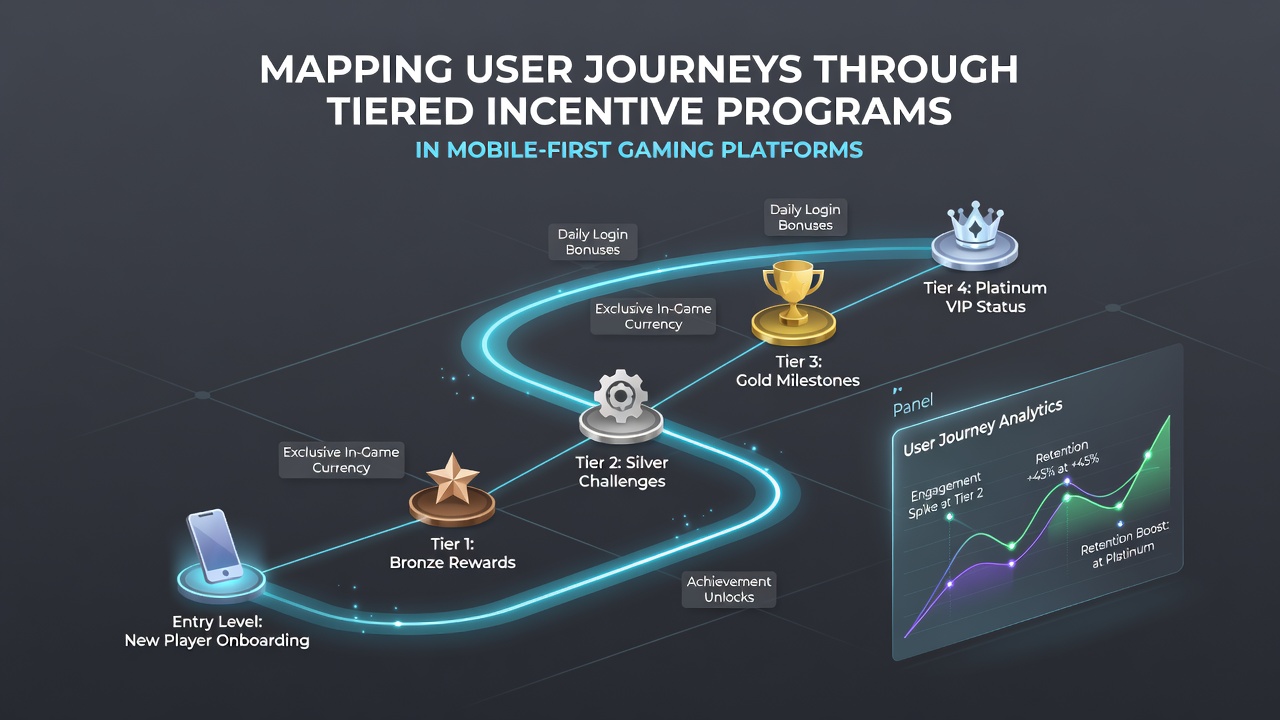
Mapping User Journeys Through Tiered Incentive Programs in Mobile-First Gaming Platforms
Platforms that prioritize mobile gaming have developed structured approaches to guide users through sequences of incentives that reward continued participation, and these approaches rely on detailed mapping of how individuals move from initial entry points to sustained engagement, while data from industry reports indicates that such tiered systems often incorporate multiple levels where rewards scale according to activity metrics such as session duration and in-app purchases, and observers note that this progression creates pathways that adapt based on user behavior patterns observed across large datasets.
Core Elements of Tiered Structures
Developers organize incentive programs into distinct tiers that typically begin with entry-level rewards for new accounts and advance toward higher categories that unlock premium features or larger bonuses, and research from academic institutions shows these layers connect directly to measurable actions like completing daily challenges or maintaining login streaks, while figures from regulatory bodies in regions such as Australia reveal that mobile platforms track progression through integrated analytics that adjust offers in real time to match individual trajectories rather than applying uniform rules across all users.
Stages in the User Journey
The initial stage centers on onboarding where users receive immediate small incentives to complete profile setup and first gameplay sessions, and this phase transitions into habit formation as players encounter escalating requirements for advancing tiers, whereas later stages involve retention mechanisms that offer personalized bonuses tied to past behavior, and experts at organizations like the American Gaming Association have documented how these mapped journeys reduce drop-off rates by aligning rewards with specific milestones such as reaching a certain number of wins or accumulating playtime hours.
Data Integration and Pathway Adjustments
Analytics tools collect information on navigation patterns within apps to refine how incentives appear at each decision point, and this process allows platforms to test variations in reward timing that influence whether users continue along the intended path or explore alternative features, while data released in June 2026 from Canadian provincial gaming authorities highlighted increases in mobile session lengths when tiered offers incorporated dynamic elements like time-limited challenges that reset based on prior completion rates.
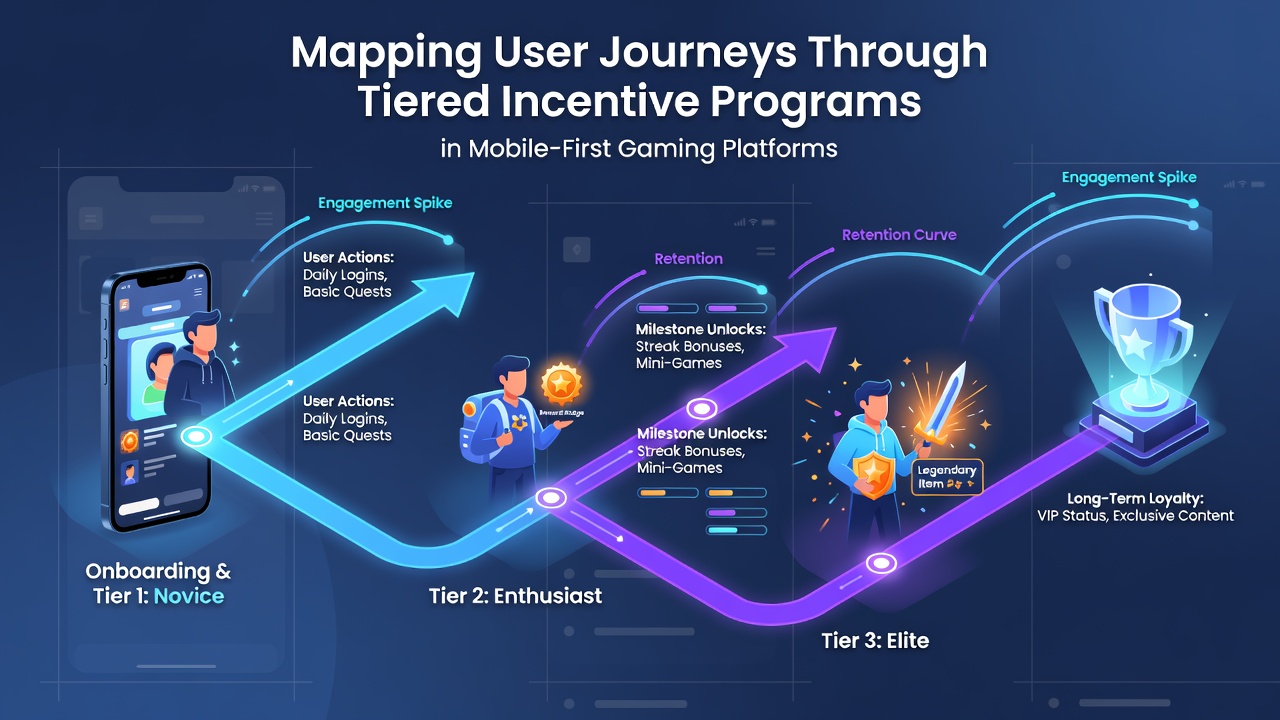
Platforms employ algorithms that segment users according to engagement velocity, which determines the pace at which new incentives unlock, and this segmentation supports the creation of branched journeys where high-activity individuals receive accelerated tier access while others encounter supportive prompts to build momentum, and studies from research centers such as the University of Nevada Reno have examined these adaptive systems to identify correlations between journey customization and overall platform retention across diverse geographic markets.
Implementation Across Different Regions
European operators often integrate tiered programs with cross-device tracking to maintain continuity when users switch between mobile and desktop environments, whereas North American platforms emphasize push notification sequences that guide progression through visual progress indicators, and data from these implementations demonstrates that clear mapping of incentive triggers leads to higher completion rates for intermediate tiers, although variations emerge based on local preferences for reward types such as virtual currency versus exclusive content access.
Measurement of Journey Effectiveness
Success metrics include tier advancement frequency and the duration users remain active after reaching specific levels, and platforms compare these against baseline models without tiered incentives to quantify impact, while ongoing monitoring in June 2026 showed adjustments in several major apps that responded to shifts in user drop points identified through heat mapping of app interactions.
Conclusion
Mapping user journeys within tiered incentive programs provides mobile-first gaming platforms with frameworks for organizing rewards that align with observed behavioral sequences, and continued refinement of these maps relies on aggregated data from multiple sources to sustain engagement across expanding user bases in competitive markets.