Navigating Digital Token Pathways That Reshape Engagement Cycles in Application-Based Wagering Systems
Paul Reed · Jul 25, 2026
Navigating Digital Token Pathways That Reshape Engagement Cycles in Application-Based Wagering Systems
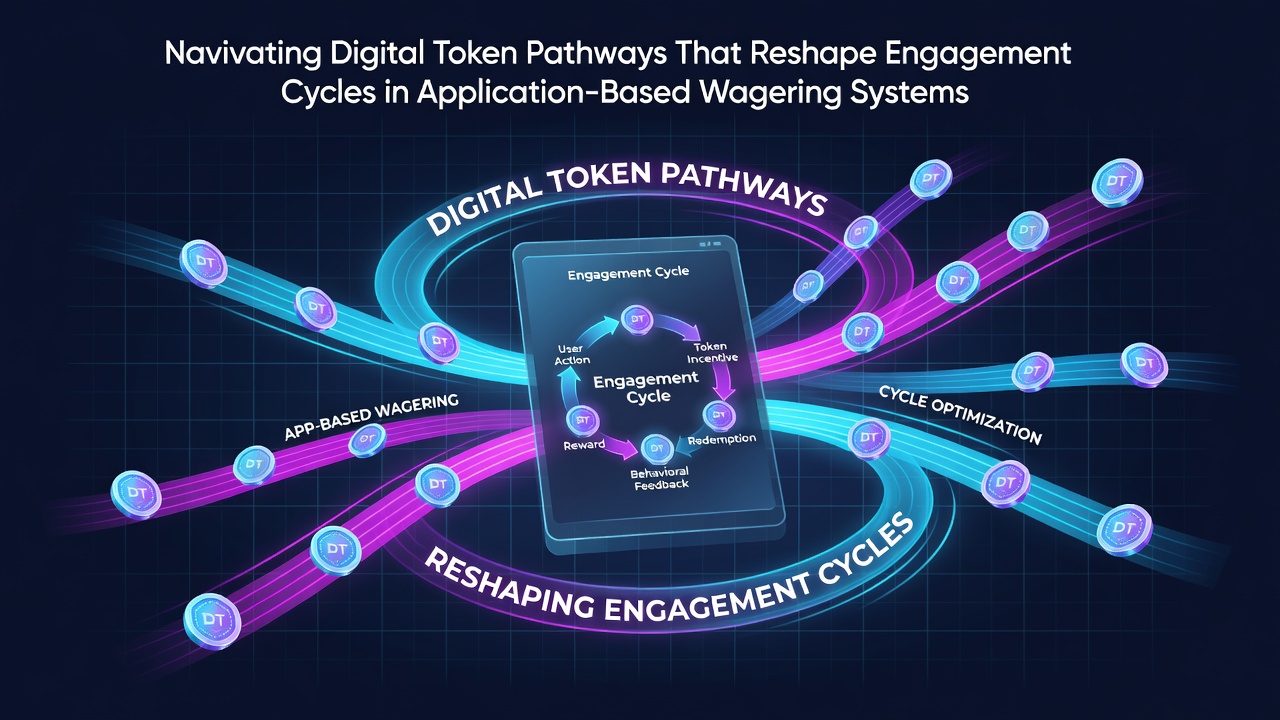
Digital tokens have become central to how application-based wagering systems maintain user activity through structured reward sequences and redemption options that encourage repeated participation. These tokens often operate as virtual currencies earned via bets or daily logins and then spent on features such as boosted odds or exclusive game access, forming loops where initial deposits lead to token accumulation and subsequent spending drives further engagement. Observers note that such mechanisms integrate with mobile platforms to track activity in real time, adjusting token values based on user patterns recorded across sessions.
Mechanics of Token Distribution and Redemption
Application developers deploy algorithmic systems that assign tokens according to predefined criteria including wager volume, session duration, and loyalty tier status, which in turn influences the speed at which users progress through engagement layers. Data from industry reports indicates that many platforms release tokens in batches tied to specific milestones, creating sequential pathways where early rewards motivate continued play while later stages unlock higher-value redemptions. Those who study these systems find that redemption rules frequently incorporate time limits and minimum thresholds, channeling token use back into active betting rather than external withdrawals.
Integration with blockchain elements appears in select applications where tokens represent fractional ownership of digital assets, allowing transfer between accounts or conversion at fluctuating rates determined by market conditions. This setup connects token flows directly to broader reward structures, as users navigate from basic accumulation phases into advanced tiers that feature personalized incentive matching. Research from the University of Nevada, Las Vegas shows how these pathways adapt to regional regulations, with developers modifying distribution logic to comply with state-specific wagering limits observed through mid-2026.
Impact on User Retention Patterns
Token-based cycles influence retention by linking short-term actions like completing daily challenges to longer-term benefits such as tier advancement and bonus multipliers, which data reveals sustain activity across multiple weeks. Platforms monitor these patterns through analytics dashboards that identify drop-off points and adjust token yields accordingly, maintaining momentum in engagement sequences. Experts have observed that applications employing multi-layered token economies experience steadier participation rates compared to those relying solely on traditional deposit bonuses.
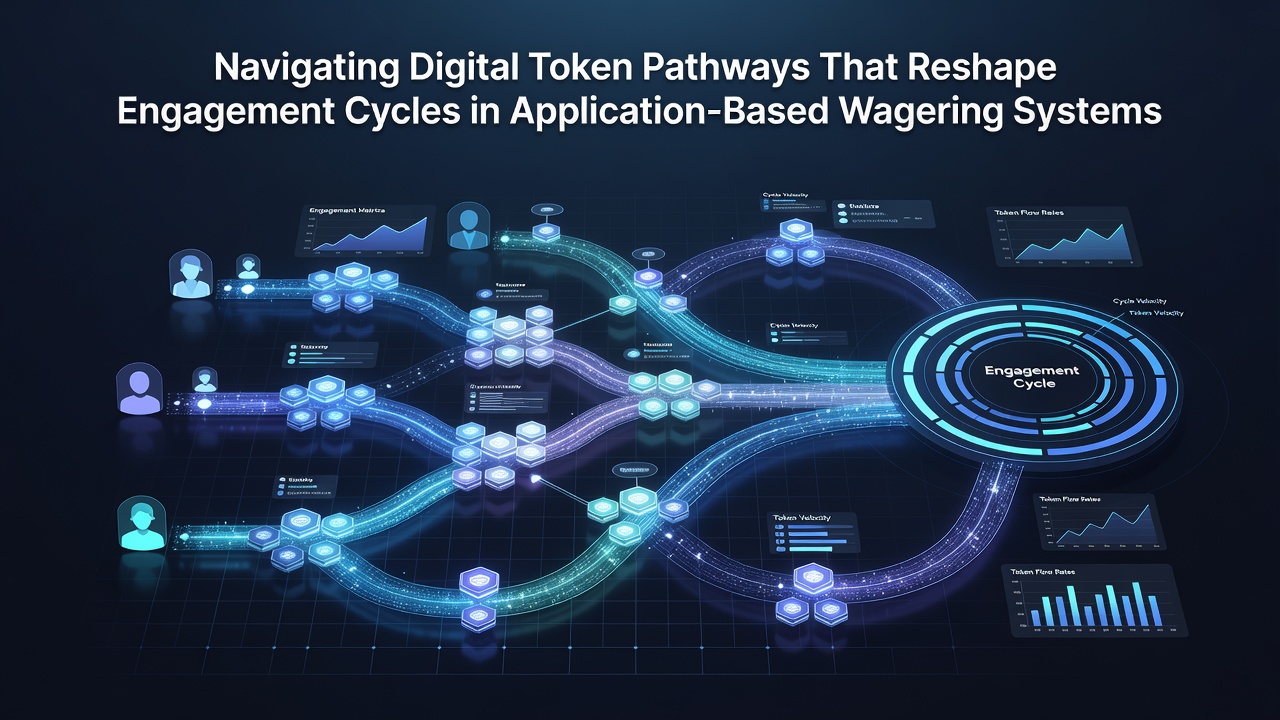
During July 2026 several operators introduced updates to token valuation models that incorporated real-time performance metrics from user groups segmented by geographic location and betting preferences. These adjustments aligned token redemption rates with updated compliance requirements in markets such as New Jersey and Pennsylvania, where revenue tracking systems captured shifts in mobile wagering volumes. The European Gaming and Betting Association published findings on similar token frameworks operating across EU member states, highlighting how algorithmic matching distributes incentives to align with local tax structures and player protection protocols.
Integration with Algorithmic Personalization
Personalization engines within wagering applications analyze historical token usage to generate tailored pathways that vary token earning rates and redemption options for individual users, thereby extending engagement cycles through targeted notifications and in-app prompts. This approach relies on machine learning models that process anonymized datasets to predict optimal token release timing, reducing churn by aligning incentives with predicted user behavior. Those who examine these implementations note that the resulting journeys often branch into parallel tracks, one focused on high-frequency small wins and another emphasizing accumulated value for infrequent larger redemptions.
Token pathways also intersect with external payment processors, enabling seamless conversion of earned digital assets into playable credits while maintaining audit trails required by regulatory bodies. Figures from recent quarterly reports demonstrate that applications incorporating these connections achieve higher average session lengths, as users move fluidly between token acquisition and expenditure phases without leaving the platform interface. Observers point to case examples where developers refined these connections after analyzing aggregated user data collected through July 2026, leading to refined cycle lengths that balance reward frequency against platform sustainability.
Conclusion
Digital token systems continue to evolve as core components of application-based wagering frameworks, reshaping how engagement cycles form and persist through interconnected distribution, redemption, and personalization layers. As regulatory environments adapt in various regions, developers refine these pathways to maintain compliance while supporting sustained user activity documented in ongoing industry analyses.