Navigating Layered Reward Pathways That Merge Free Play Mechanics With Digital Currency Options in Portable Platforms
Drew Franke · Aug 13, 2026

Navigating Layered Reward Pathways That Merge Free Play Mechanics With Digital Currency Options in Portable Platforms
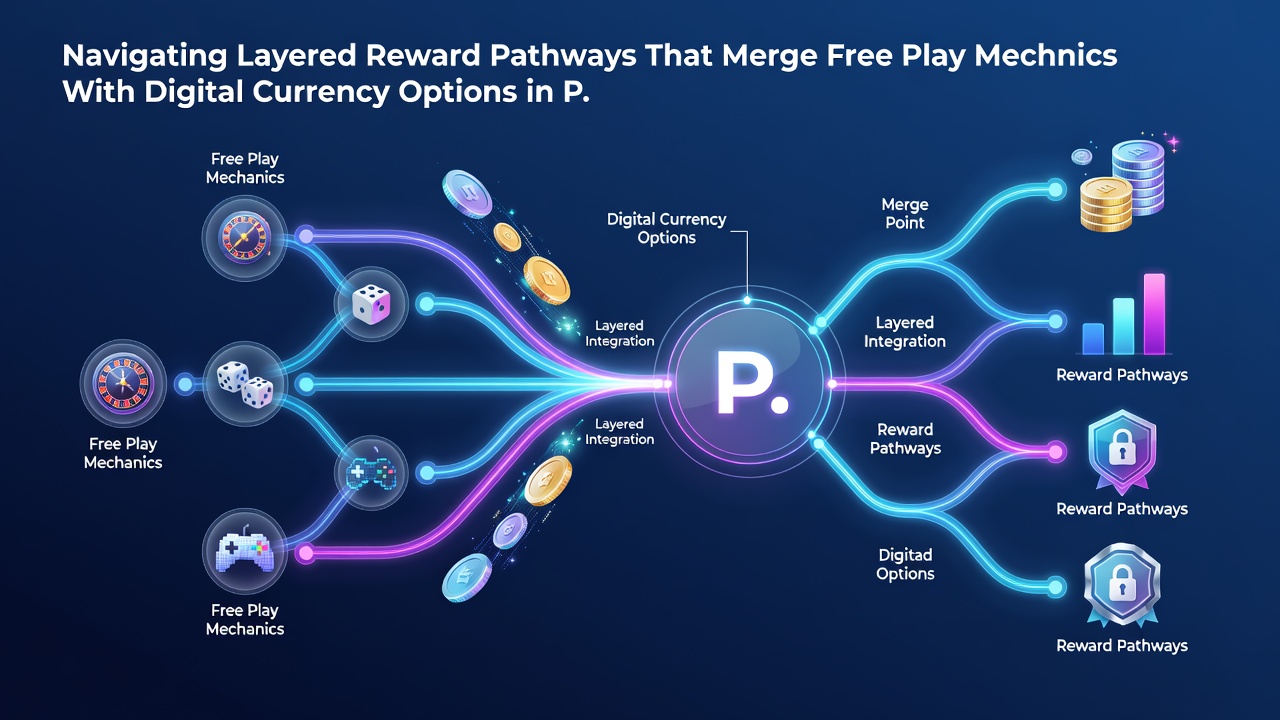
Portable platforms have integrated free play mechanics with digital currency options through sequential reward layers that respond to user activity and algorithmic matching. These systems distribute incentives across multiple tiers where free spins or demo modes transition into crypto-based rewards once players meet progression thresholds. Observers note that such pathways often rely on real-time data processing to adjust offer visibility and value based on session patterns recorded in August 2026.
Core Components of Merged Incentive Structures
Free play elements function as entry points that allow users to engage without initial deposits while digital currency options activate at later stages once specific activity metrics accumulate. Researchers have documented how these layers connect through backend algorithms that track metrics such as time spent, completion rates, and interaction frequency before unlocking higher-value crypto allocations. Studies from industry reports indicate that mobile applications in regulated markets employ these merged pathways to maintain engagement across extended periods without requiring constant financial input.
Algorithmic personalization plays a central role because it tailors the sequence of available rewards to individual user profiles derived from prior behavior. Data shows that platforms adjust the depth of each layer according to signals collected during free play sessions, which then determine eligibility for digital asset distributions. Those who have examined these frameworks point out that the transition points between layers remain dynamic and recalibrate frequently to align with overall platform objectives.
Implementation Across Regional Markets
Markets in North America and parts of Asia have adopted varying approaches to these layered systems within portable environments. In Canada, the Alcohol and Gaming Commission of Ontario has recorded steady growth in mobile gaming activity tied to reward pathway designs that blend free mechanics with digital currency features. Similar patterns appear in other jurisdictions where operators refine app interfaces to present sequential incentives that users navigate through progressive milestones.
Take one case where platform developers linked free spin accumulations directly to crypto wallet integrations, creating a continuous flow from initial engagement to asset-based rewards. Evidence suggests this method reduces friction for users moving between layers while maintaining compliance with local standards that govern both free play and digital currency handling. August 2026 data releases highlighted continued expansion in these mobile ecosystems across multiple provinces and states.
Technical Pathways and User Progression
Users encounter these layered systems through app interfaces that guide progression via clear milestones displayed in dashboards or notification centers. Each layer builds upon the previous one, with free play outcomes feeding into eligibility calculations that unlock digital currency portions at defined intervals. Analysts have observed that successful navigation often depends on consistent participation patterns rather than isolated high-value actions.
Backend systems employ matching algorithms to distribute tailored offers that reflect accumulated free play results converted into crypto equivalents. Figures reveal that conversion rates between layers vary by platform yet follow predictable sequences once user data stabilizes over multiple sessions. This structure allows operators to maintain control over reward velocity while users advance through the pathway at their own pace.
Regulatory Considerations in 2026
Regulatory bodies continue to monitor how these merged pathways operate within portable platforms, focusing on transparency in layer transitions and accuracy of digital currency valuations. Reports from the Australian Communications and Media Authority have examined similar incentive models in mobile gaming contexts, emphasizing the need for clear disclosure of progression requirements. Updates throughout 2026 have reinforced requirements for operators to document how free play mechanics feed into subsequent digital asset distributions without creating unintended compliance gaps.
Industry organizations have compiled data indicating that platforms incorporating these layered approaches must maintain audit trails that track every transition point between free mechanics and crypto options. Such documentation supports regulatory reviews and helps verify that algorithmic personalization remains within approved parameters across different jurisdictions.
Conclusion
Layered reward pathways that combine free play mechanics with digital currency options continue to evolve within portable gaming platforms as operators refine algorithmic delivery and progression structures. Regional data collected through August 2026 demonstrates sustained adoption across multiple markets where these systems balance user engagement with regulatory expectations. Observers expect further refinements in layer connectivity as technical capabilities and compliance frameworks develop in parallel.