Navigating Sequential Incentive Layers Within Algorithm-Enhanced Mobile Gaming Frameworks
Paul Reed · Jun 15, 2026

Navigating Sequential Incentive Layers Within Algorithm-Enhanced Mobile Gaming Frameworks
Mobile gaming platforms rely on sequential incentive layers that algorithms arrange to guide player progression through structured reward systems, where each layer builds on prior engagement metrics to unlock subsequent benefits such as resource multipliers, exclusive access tiers, and personalized challenge sets. These frameworks operate by processing user behavior data in real time, adjusting the order and timing of incentives based on patterns detected across large datasets collected from millions of active sessions.
Core Components of Algorithmic Incentive Sequencing
Developers implement base layers that deliver immediate rewards for initial actions like account creation or tutorial completion, while deeper layers activate only after sustained metrics such as daily logins or social interactions reach predetermined thresholds. Algorithms evaluate variables including session duration, spending velocity, and retention streaks to reorder these layers dynamically, ensuring that teh sequence remains responsive rather than fixed across all accounts. Research indicates that such adaptability increases the average number of completed progression milestones by aligning incentives with individual play styles observed in aggregated logs.
Intermediate layers often incorporate conditional triggers that algorithms refine through iterative testing, allowing platforms to insert time-sensitive offers or group-based challenges between standard reward gates. Those who study these systems note that the sequencing logic prevents overlap by maintaining dependency chains, where completion of one incentive unlocks the parameters for the next without redundant notifications.
Algorithmic Matching and Personalization Mechanisms
Advanced matching systems within these frameworks compare a player's historical data against cohort benchmarks to determine optimal layer placement, drawing from techniques similar to collaborative filtering used in recommendation engines. Data from industry analyses shows that personalization reduces drop-off rates between layers because the algorithm prioritizes incentives that match demonstrated preferences, such as favoring cosmetic rewards over competitive ones for certain segments. In June 2026 several major platforms rolled out updated models that incorporated real-time environmental factors like device type and network conditions into the sequencing process, further refining how incentives appear during active play.
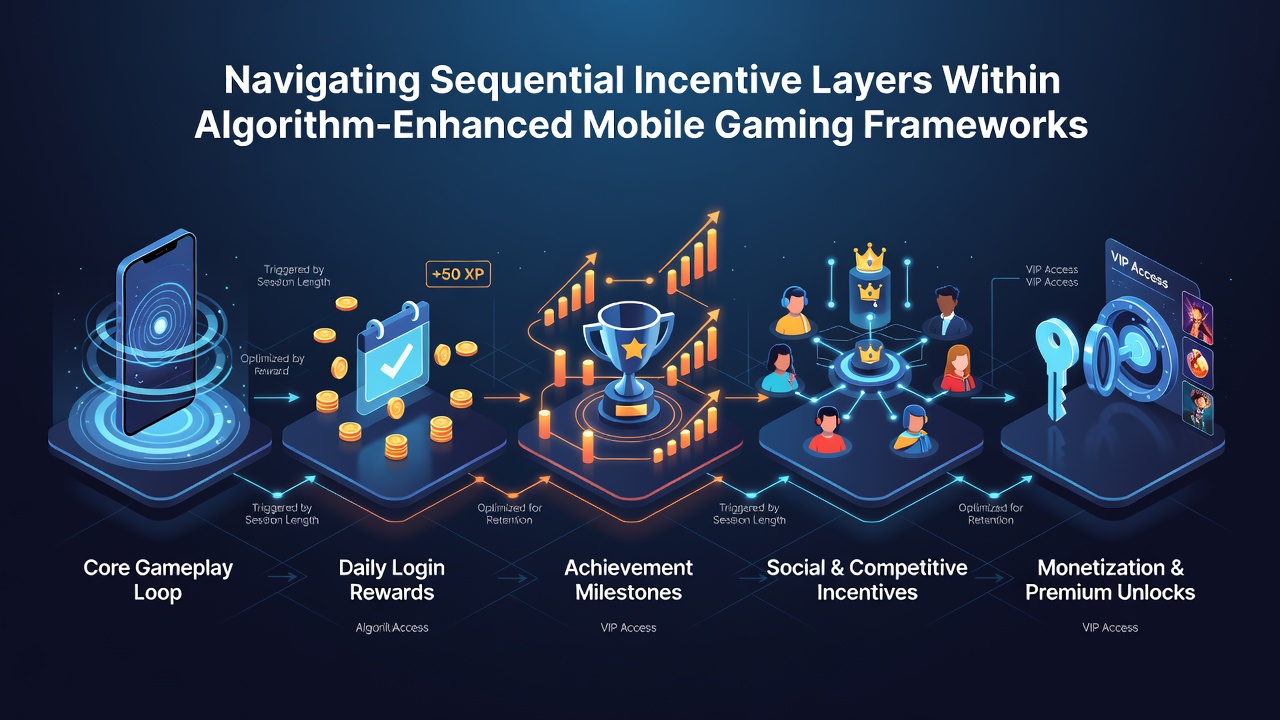
User Navigation Patterns Across Layers
Players typically advance through visible progression maps that display upcoming layers as milestones, yet the underlying algorithms conceal certain conditional branches until activation criteria are met. Observers note that this partial visibility encourages continued engagement because users anticipate what the next sequenced incentive might unlock based on partial information provided by the interface. Studies from academic sources, including work published through the Canadian Gaming Association, have documented how transparent layer indicators combined with algorithmic adjustments lead to higher completion rates across diverse player demographics.
Navigation also involves optional side paths that algorithms can elevate or deprioritize according to emerging behavior signals, creating branching sequences that differ even among users with similar starting profiles. Those who've examined telemetry from large-scale deployments find that such branching reduces predictability and sustains interest over extended periods without requiring manual intervention from developers.
Technical Infrastructure Supporting Layer Management
Backend systems maintain layered incentive databases that algorithms query through application programming interfaces designed for low-latency responses during gameplay. These infrastructures handle concurrent requests from global user bases by distributing computation across cloud nodes, which enables consistent sequencing even when player volumes spike during peak hours. Reports compiled by regulatory bodies such as the New Jersey Division of Gaming Enforcement illustrate how audited frameworks track incentive delivery accuracy to verify compliance with platform rules while preserving algorithmic flexibility.
Integration with machine learning pipelines allows continuous recalibration of layer weights, where feedback loops from completed sequences inform future ordering decisions. This process relies on anonymized datasets that exclude personally identifiable information, focusing instead on aggregate performance indicators that guide model training cycles.
Conclusion
Sequential incentive layers within algorithm-enhanced mobile gaming frameworks continue to evolve through refinements in data processing and dependency mapping, supporting structured player advancement across increasingly complex reward ecosystems. As platforms incorporate additional variables into their sequencing logic, the navigation experience remains centered on measurable engagement signals that determine when and how each layer activates for individual accounts.