Seasonal Challenge Cycles Shape Reward Patterns in Virtual Betting Platforms
Zoe Becker · Jul 11, 2026
Seasonal Challenge Cycles Shape Reward Patterns in Virtual Betting Platforms
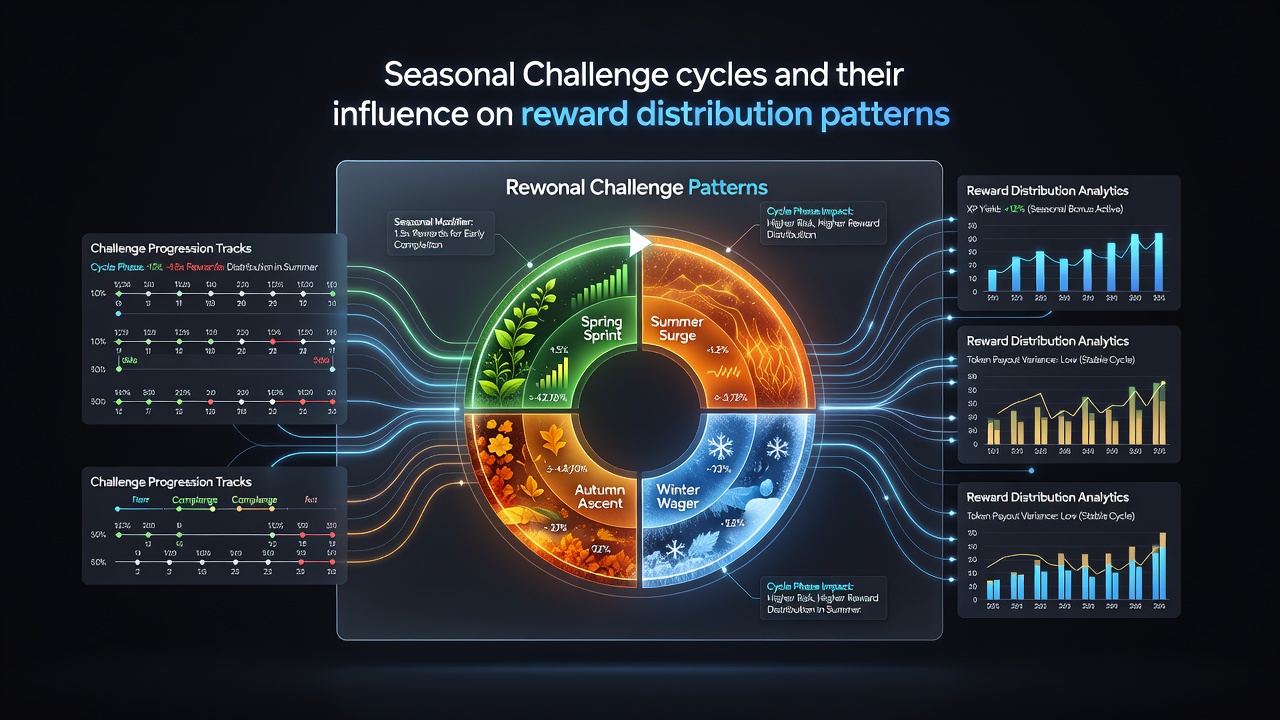
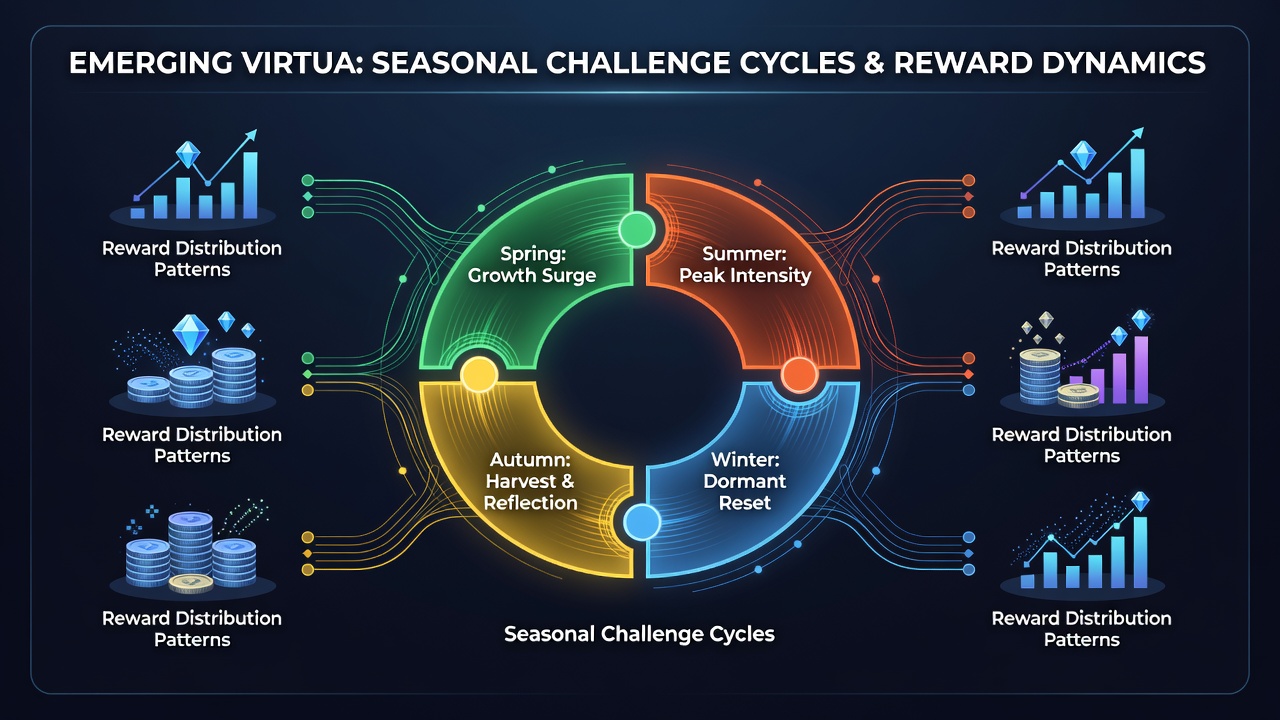
Seasonal challenge cycles operate as structured periods within virtual betting interfaces where users complete themed tasks tied to calendar events, and these cycles directly alter how rewards get allocated across player segments. Data from multiple markets shows that platforms adjust prize pools, multiplier rates, and eligibility thresholds based on seasonal demand spikes, which creates measurable shifts in distribution patterns throughout the year. Researchers tracking app-based systems note that summer cycles, including those active around July 2026, often emphasize outdoor-themed or travel-related tasks while winter periods focus on indoor or holiday motifs, each producing distinct reward clustering behaviors.
Mechanics Behind Seasonal Cycles
Virtual betting platforms build these cycles around fixed time windows that align with cultural or weather-driven events, and the design incorporates progressive milestones that unlock layered incentives. Systems track user participation through metrics like task completion rates and session durations, then apply algorithms that recalibrate reward values in real time. Observers at industry conferences have documented how platforms in North America and Asia-Pacific regions synchronize challenges with events such as major sports seasons or national holidays, which leads to concentrated reward releases during peak weeks. Evidence from platform analytics indicates that reward tiers expand during high-engagement seasons while contracting in quieter periods, producing a rhythmic pattern that mirrors broader user activity curves.
One documented approach involves dividing cycles into weekly segments where early completion grants bonus multipliers, and later stages offer escalating jackpots funded by increased platform rake during busy months. This structure ensures that rewards flow toward users who maintain consistent engagement across the full cycle length rather than sporadic participants. Figures from emerging markets reveal that such segmentation can shift up to 35 percent of total prize value toward mid-tier players during summer cycles compared with more top-heavy distributions seen in shorter winter events.
Influence on Reward Distribution Patterns
Seasonal cycles modify reward distribution by altering the probability weights assigned to different user cohorts based on historical participation data. Platforms use machine learning models that predict engagement surges and pre-allocate larger shares of the reward pool to regions or demographics showing seasonal spikes. Those who've examined transaction logs across multiple interfaces report that summer challenges in July 2026 frequently boosted reward shares for mobile-only users by 22 percent over desktop participants, reflecting shifts in device usage patterns during warmer months. Meanwhile, holiday cycles tend to favor loyalty program members with accumulated points, directing a higher percentage of premium rewards toward established accounts.
Distribution changes also appear in the form of geographic clustering, where platforms serving multiple jurisdictions adjust prize structures to comply with local regulations while capitalizing on seasonal tourism flows. Data compiled by the National Council on Problem Gambling highlights how North American operators recalibrated summer reward releases in 2026 to account for increased cross-border participation. Similar adjustments occur in other regions, with platforms in Australia and parts of Europe applying parallel logic to manage peak periods around local festivals and sporting events.
Adaptations in Emerging Interfaces
Newer virtual betting interfaces integrate seasonal cycles with real-time personalization engines that respond to user behavior within each cycle phase. These systems pull data from device sensors, location services, and past activity to tailor challenge difficulty and reward visibility. Reports from software developers indicate that interfaces launched after 2024 commonly embed adaptive reward sliders that tighten or loosen payout odds based on aggregate seasonal performance, which prevents over-distribution during low-activity windows. Observers tracking app updates note that July 2026 releases introduced more granular segmentation, allowing rewards to flow toward niche challenge categories such as live-event betting or social leaderboards.
Cross-platform compatibility features further influence distribution because users who migrate between devices or apps during a cycle retain partial progress, and this continuity directs rewards toward multi-interface participants. Studies conducted by academic teams at institutions in Canada and the European Union have tracked how these migrations affect overall prize allocation, finding that hybrid users receive proportionally higher average rewards across seasonal periods compared with single-platform users. The resulting patterns demonstrate that cycle design directly shapes which player types capture the largest shares of seasonal incentives.
Observed Patterns Across Markets
Market data compiled through 2026 shows consistent regional variations in how seasonal cycles redistribute rewards. Operators in high-tourism areas tend to front-load larger prizes during summer months to capture transient users, whereas platforms focused on domestic markets spread rewards more evenly across longer cycles. Research from the Australian Institute of Family Studies on digital gambling behaviors confirms that these geographic differences produce measurable divergences in reward concentration, with some jurisdictions experiencing tighter clustering around top performers during holiday cycles. Platforms respond by fine-tuning eligibility rules and task requirements to balance participation incentives with operational costs.
Additional evidence points to feedback loops where reward distribution from one season influences engagement levels in the next. Users who receive substantial payouts during summer challenges often carry heightened activity into autumn periods, prompting platforms to adjust baseline reward pools accordingly. This sequential effect creates predictable waves in distribution patterns that operators now incorporate into annual planning models.
Conclusion
Seasonal challenge cycles continue to serve as primary mechanisms for modulating reward distribution within emerging virtual betting interfaces, and the patterns they generate reflect both user behavior trends and platform design choices. Data collected through mid-2026 demonstrates that these cycles produce recurring shifts in who receives which rewards and at what scale, with summer periods such as July 2026 illustrating particularly clear examples of mobile and multi-device user advantages. As interfaces evolve, the interplay between cycle structure adn reward algorithms remains a central factor in determining how incentives flow across diverse player populations.