The Synchronization of Code-Based Perks with Digital Currency Protocols in Shaping User Onboarding Sequences
Drew Franke · Jul 13, 2026
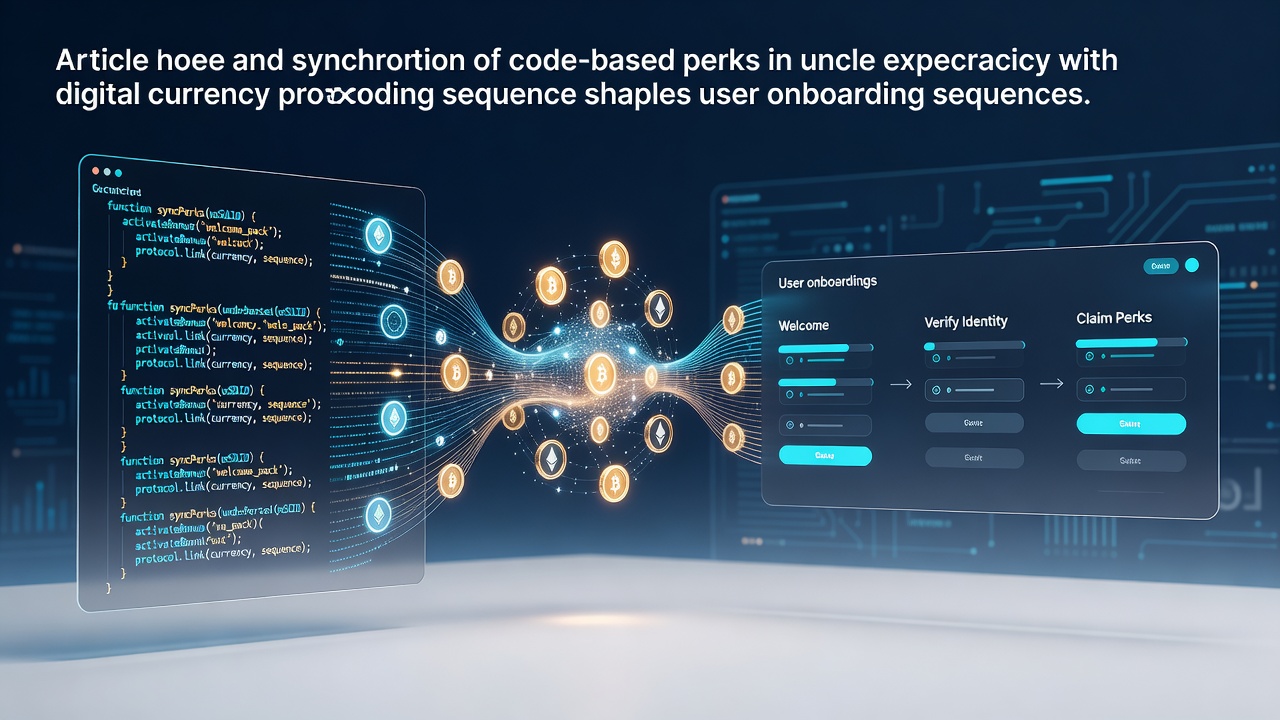
The Synchronization of Code-Based Perks with Digital Currency Protocols in Shaping User Onboarding Sequences
Code-based perks integrate with digital currency protocols through structured systems that connect promotional identifiers directly to wallet authentication processes and this connection streamlines how new users enter app-based gaming environments. Observers note that these mechanisms rely on application programming interfaces which verify bonus codes against blockchain transaction ledgers while users complete initial deposits and account setups.
Core Mechanisms Behind Code and Currency Integration
Developers design code-based perks as unique strings that trigger specific reward allocations once digital currency protocols confirm a transaction and these strings often embed parameters for bonus amounts, expiration periods, and eligibility rules. Research indicates that synchronization occurs when the protocol validates the currency transfer and simultaneously activates the perk without requiring separate manual input from the user. Those who've studied these systems know that smart contracts on various blockchains handle the matching process by comparing the entered code against a predefined database of active promotions and this automation reduces onboarding friction across multiple platforms.
Figures from industry reports reveal that platforms employing such synchronization see faster account verification times compared to systems that separate bonus entry from payment processing. Data shows the process typically unfolds in three linked stages where the user inputs the code, the protocol confirms the digital asset transfer, and the perk activates within the user profile all within a single session.
Role in User Onboarding Sequences
User onboarding sequences benefit from this synchronization because it collapses multiple steps into fewer actions and new participants complete registration, deposit, and perk activation in one continuous flow. According to analyses from the Nevada Gaming Control Board, integrated systems record higher completion rates for first-time users when code verification ties directly to cryptocurrency wallet confirmations rather than operating as standalone features. The sequence often begins with app download followed by wallet connection then code entry which prompts the protocol to release both the deposit and the associated perk simultaneously.
Technical Pathways Supporting Seamless Activation
Technical pathways include hashed code storage on distributed ledgers alongside encrypted user identifiers and this setup allows real-time cross-checking without exposing sensitive data during the onboarding window. Experts have observed that protocols built on networks like Ethereum or Solana support these operations through event listeners that detect code submissions and match them to incoming currency flows. People often find that such pathways minimize errors because the system rejects mismatched codes before the transaction finalizes and this prevents partial onboarding experiences.
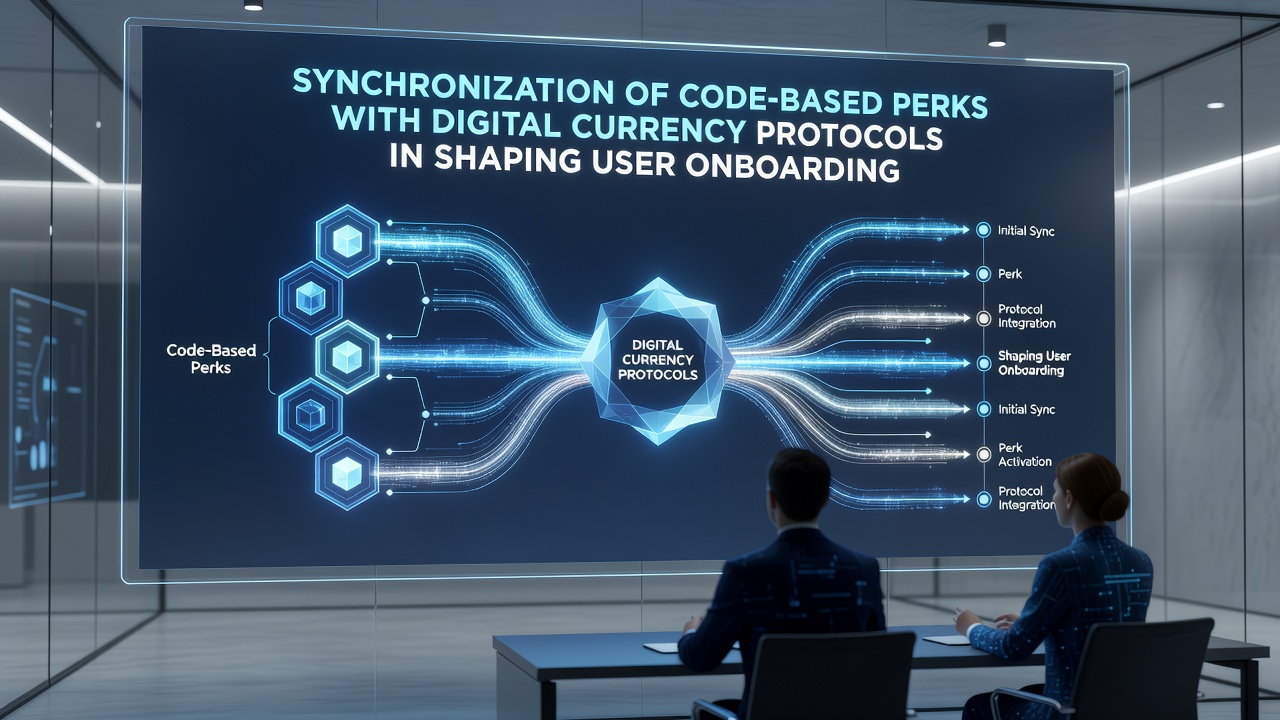
Developments Observed Through Mid-2026
Updates through July 2026 highlight continued refinement of these synchronization methods across several jurisdictions and regulatory filings note expanded use of multi-signature wallet requirements paired with code-based triggers. A report from the Victorian Commission for Gambling and Liquor Regulation outlines how operators in that region adjusted their onboarding flows to accommodate protocol changes that require code validation within the same block confirmation cycle as the currency deposit. Such adjustments maintain compliance while preserving the efficiency of the original sequence.
Platforms that adopted these refinements reported measurable shifts in user retention metrics during the first thirty days after registration and the data connects directly to the reduced number of drop-off points in the onboarding path. Observers note that the synchronization also supports tiered perks where initial codes unlock base rewards and subsequent protocol-tracked activity releases enhanced benefits without new code entries.
Broader System Implications
Broader system implications extend to security layers because synchronized protocols log both the code usage and the currency movement on immutable records and this dual logging assists in audit processes required by various gaming authorities. Researchers discovered that when code-based perks align with digital currency protocols the resulting data trail supports clearer tracking of promotional distributions and this clarity aids operators in meeting reporting obligations. The approach also allows dynamic adjustment of perk values based on real-time network conditions such as transaction fees or currency volatility without disrupting the user sequence.
Examples from operational platforms demonstrate that users who enter valid codes during the deposit step receive immediate confirmation messages that detail both the currency receipt and the activated perk and this immediate feedback reinforces completion of the onboarding process. Those who've examined user journey data emphasize that such confirmations correlate with lower support ticket volumes related to missing rewards.
Conclusion
The synchronization of code-based perks with digital currency protocols continues to define how onboarding sequences operate in app-centric gaming settings and ongoing protocol updates through 2026 maintain this integration as a central component. Data from regulatory sources and operational reports consistently shows that linked systems deliver efficient, verifiable pathways from initial access to full account activation. As networks evolve, the same core matching processes adapt to new requirements while preserving the streamlined experience for participants.