Tracing Algorithmic Reward Matching in Portable Crypto Gaming Interfaces
Drew Franke · Aug 1, 2026
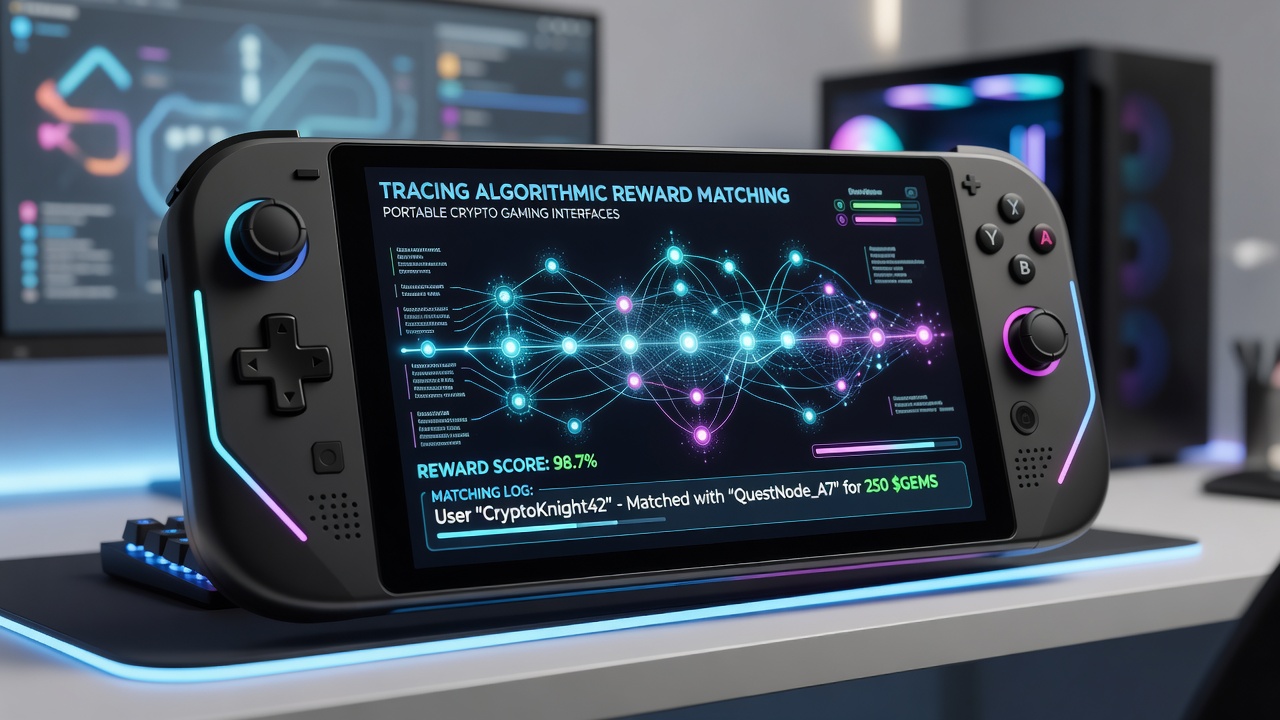
Tracing Algorithmic Reward Matching in Portable Crypto Gaming Interfaces
Portable crypto gaming interfaces rely on intricate algorithmic systems that match user activities with corresponding digital asset rewards, and these mechanisms operate through layers of code that process inputs from touch-based mobile environments while connecting to blockchain ledgers. Developers integrate matching protocols that evaluate player actions such as in-game achievements, transaction volumes, and session durations against predefined criteria stored in smart contracts, which then trigger the release of tokens or non-fungible assets directly to user wallets. Data from industry tracking in August 2026 shows increased adoption of these interfaces across multiple regions, where mobile devices account for the majority of crypto gaming sessions because of their accessibility and real-time connectivity features.
Core Components of Reward Matching Algorithms
Algorithmic reward matching begins with data collection modules embedded in portable applications that capture behavioral metrics while users interact with game environments, and these modules feed information into decision trees that classify actions according to reward eligibility rules. Researchers at various academic institutions have documented how machine learning models refine these classifications over time by analyzing historical patterns from thousands of sessions, allowing the systems to adjust reward distributions dynamically without manual intervention. Portable interfaces add complexity because they must account for variables like network latency, device hardware capabilities, and intermittent connectivity, all of which influence how quickly matching occurs between user input and on-chain verification.
Integration with Blockchain and Mobile Frameworks
Blockchain integration occurs when algorithms confirm that a matched reward satisfies consensus requirements before updating distributed ledgers, and this process often involves lightweight nodes running on mobile devices to reduce dependency on centralized servers. Observers note that frameworks such as those built on Ethereum or Solana enable faster transaction finality in portable settings, whereas developers optimize code to minimize gas fees during reward claims. In August 2026, reports indicated that several platforms updated their mobile clients to support cross-chain reward transfers, which expanded the range of digital assets users could receive through algorithmic matching. Those who study these systems point out that security protocols, including multi-signature approvals and zero-knowledge proofs, protect the integrity of matches while users remain on portable devices.
Take one development team that implemented a hybrid matching system combining rule-based logic with neural network predictions, and the result allowed the application to anticipate player preferences based on prior sessions before rewards were even earned. This approach reduced processing delays on mobile networks and improved synchronization between in-app events and blockchain confirmations. Figures from regulatory filings in multiple jurisdictions reveal steady growth in transaction volumes tied to such interfaces, with portable crypto gaming contributing measurable portions to overall digital asset movements.
Challenges in Tracing and Verification Processes

Tracing these algorithmic processes requires specialized tools that log each decision point from user action through reward disbursement, and analysts often reconstruct sequences by examining both on-device data caches and immutable blockchain records. Experts have observed that discrepancies can arise when mobile operating systems apply background restrictions or when wallet integrations encounter synchronization errors, which complicates full pathway reconstruction. Government agencies in regions such as the European Union and Australia have begun requesting detailed documentation from operators regarding how matching algorithms handle user data, and these requests aim to ensure compliance with emerging digital asset regulations. One study from a Canadian research consortium examined several popular portable interfaces and found that reward matching accuracy improved when algorithms incorporated real-time device telemetry alongside traditional game metrics.
Practical Examples from Current Deployments
Applications in the play-to-earn category demonstrate algorithmic reward matching through daily quest systems that evaluate completion rates against token allocation formulas, while users on portable devices receive immediate feedback via push notifications once matches are verified. Industry organizations have compiled datasets showing that interfaces supporting multiple cryptocurrencies tend to employ more sophisticated matching layers to handle varying token economics and volatility factors. In August 2026, updates to certain mobile frameworks introduced enhanced tracing capabilities that allow third-party auditors to review algorithm decisions without exposing sensitive user information. People who manage these platforms often rely on modular code structures that separate reward logic from core gameplay, which simplifies updates when new regulatory or technical requirements emerge.
What's notable is how portable interfaces balance computational demands with battery efficiency, since complex matching calculations must run without draining device resources excessively during extended play sessions. According to findings published by the International Association of Gaming Regulators, operators increasingly adopt standardized logging formats that facilitate cross-platform tracing of reward distributions. These standards help regulators verify that algorithmic outcomes align with disclosed terms and prevent mismatches that could affect user trust in crypto gaming ecosystems.
Conclusion
Tracing algorithmic reward matching in portable crypto gaming interfaces reveals a landscape where mobile technology, blockchain verification, and adaptive decision systems converge to deliver rewards based on user engagement. As deployments continue to evolve through 2026 and beyond, the ability to follow these pathways supports both operational transparency and regulatory oversight across different jurisdictions. Data indicates that continued refinement of matching protocols will depend on improvements in mobile hardware, network infrastructure, and cross-border digital asset frameworks.