Tracing Interlinked Incentive Pathways Across Platform-Specific Gaming Ecosystems
Paul Reed · Jul 9, 2026
Tracing Interlinked Incentive Pathways Across Platform-Specific Gaming Ecosystems
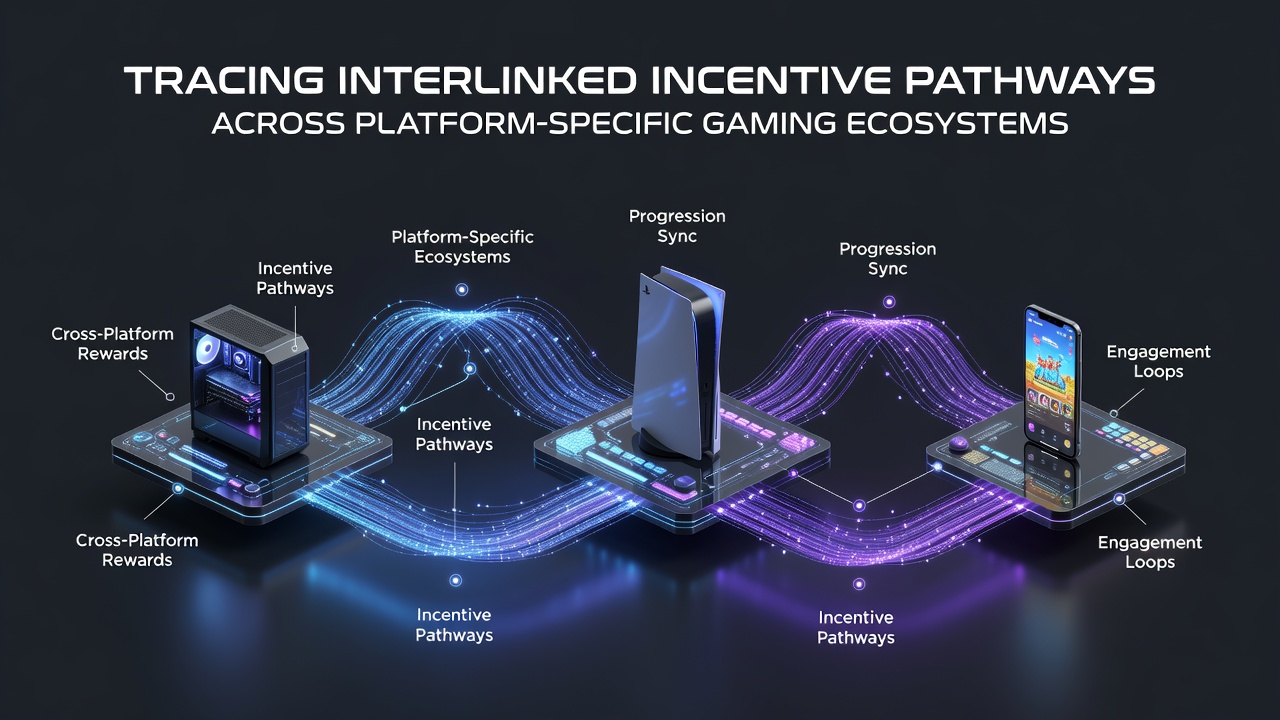
Platform-specific gaming ecosystems have developed distinct incentive structures that now connect through shared user accounts, data exchanges, and reward synchronization tools. These connections allow points earned on one device to influence availability on another, creating pathways that operators track across mobile applications, console networks, and browser-based environments. Industry reports document how developers use application programming interfaces to move reward data between systems while maintaining platform compliance rules.
Core Components of Platform Incentive Design
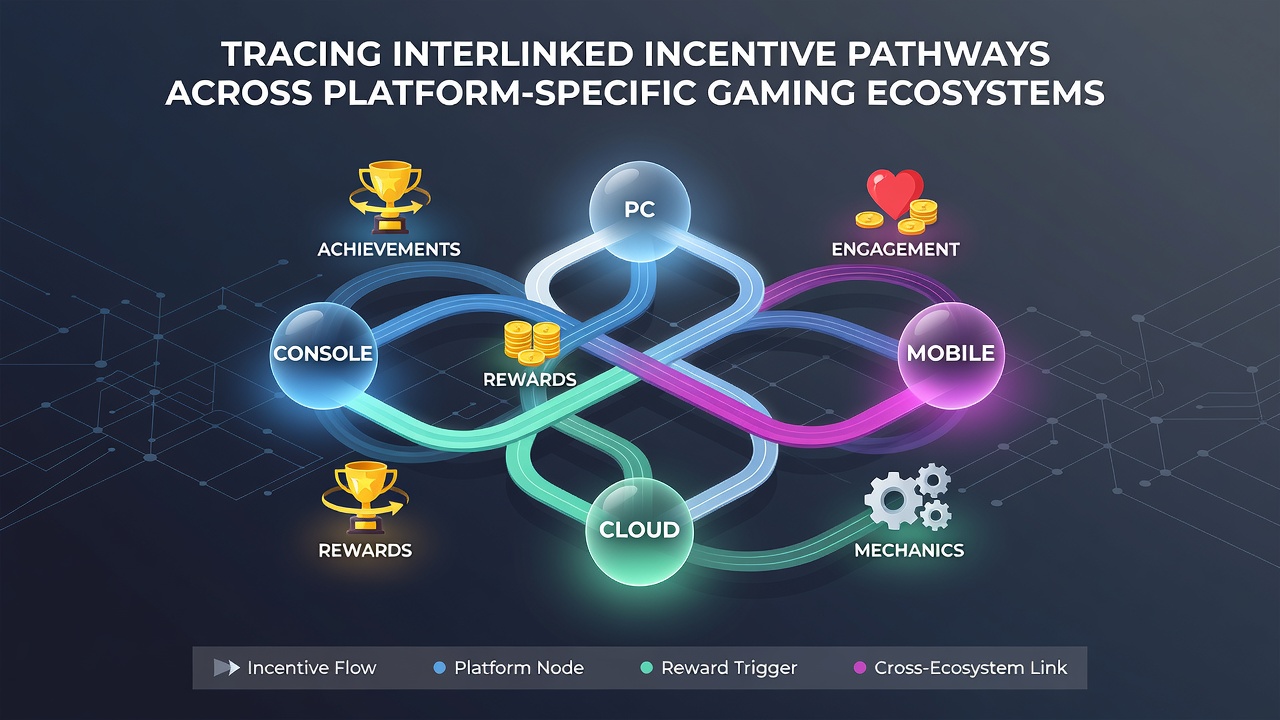
Mobile ecosystems often rely on session-based rewards tied to daily logins and in-app purchases, whereas console platforms emphasize achievement milestones that unlock digital items over longer periods. Desktop environments frequently integrate marketplace trading features that convert earned currency into tradable assets. Researchers at academic institutions have mapped these differences by analyzing publicly available developer documentation from major providers, revealing consistent patterns in how each platform assigns value to user actions.
Interlinking occurs when a single user profile aggregates activity across services. A player completing challenges on a mobile title can receive bonus currency that appears in a linked console account, provided both platforms support the same authentication layer. Data shows this synchronization increases retention metrics, as users return to multiple interfaces to maximize accumulated benefits. Observers note that such pathways depend on secure token exchanges managed by third-party identity services.
Data Flows and Synchronization Protocols
Companies employ event-tracking systems that log user interactions and push updates to centralized servers at regular intervals. These servers apply matching algorithms to determine eligibility for cross-platform rewards. For instance, progress recorded during a July 2026 mobile event might trigger an automatic deposit of resources into a desktop inventory once the user logs in through the shared profile. According to reports from the Entertainment Software Association, synchronization events now occur millions of times daily across leading titles.
Regulatory bodies in various regions have begun examining these data pathways for compliance with consumer protection standards. The New Jersey Division of Gaming Enforcement publishes quarterly summaries that include metrics on reward distribution across licensed platforms, highlighting how operators must separate promotional mechanics from real-money elements. Similar documentation from Australian state authorities tracks comparable patterns in local markets, providing comparative data on pathway transparency.
Examples from Major Ecosystems
One documented case involves a multiplayer title that distributes seasonal passes through both mobile stores and console marketplaces. Users who purchase access on one platform receive equivalent content on another after verification, demonstrating a direct incentive bridge. Trade publications report that such arrangements require pre-approved data-sharing agreements between platform holders and publishers to prevent duplication or fraud.
Another pathway appears in loyalty programs where tier status advances based on combined activity across devices. A user reaching a mid-level threshold via console play can unlock mobile-exclusive items, and vice versa. Studies from research groups at European universities have quantified the effect, finding that these linked programs correlate with higher average session lengths across the participating ecosystems.
Challenges in Pathway Maintenance
Platform policy changes can interrupt established flows, requiring rapid adjustments to reward logic. When one operating system updates its payment or notification rules, operators must reconfigure their tracking layers to maintain continuity. Figures from industry analyses reveal that such disruptions affect a measurable percentage of active users until patches are deployed.
Privacy considerations also shape how data moves between systems. Operators limit the types of identifiers shared across boundaries, using hashed values instead of direct personal information. This approach aligns with guidelines from multiple national data protection frameworks while still enabling accurate reward attribution.
Conclusion
Tracing interlinked incentive pathways reveals a network where platform rules, user profiles, and synchronization tools combine to distribute rewards across gaming environments. Current documentation from regulatory agencies and industry associations provides the factual basis for understanding these connections, while ongoing technical developments continue to refine how data travels between ecosystems. As of July 2026, the mechanisms remain subject to both operational refinements and oversight from regional authorities monitoring fair distribution practices.