Tracing Pathways of Layered Incentives Across Crypto Mobile Ecosystems adn Their Sequential Reward Flows
Zoe Becker · Jun 29, 2026
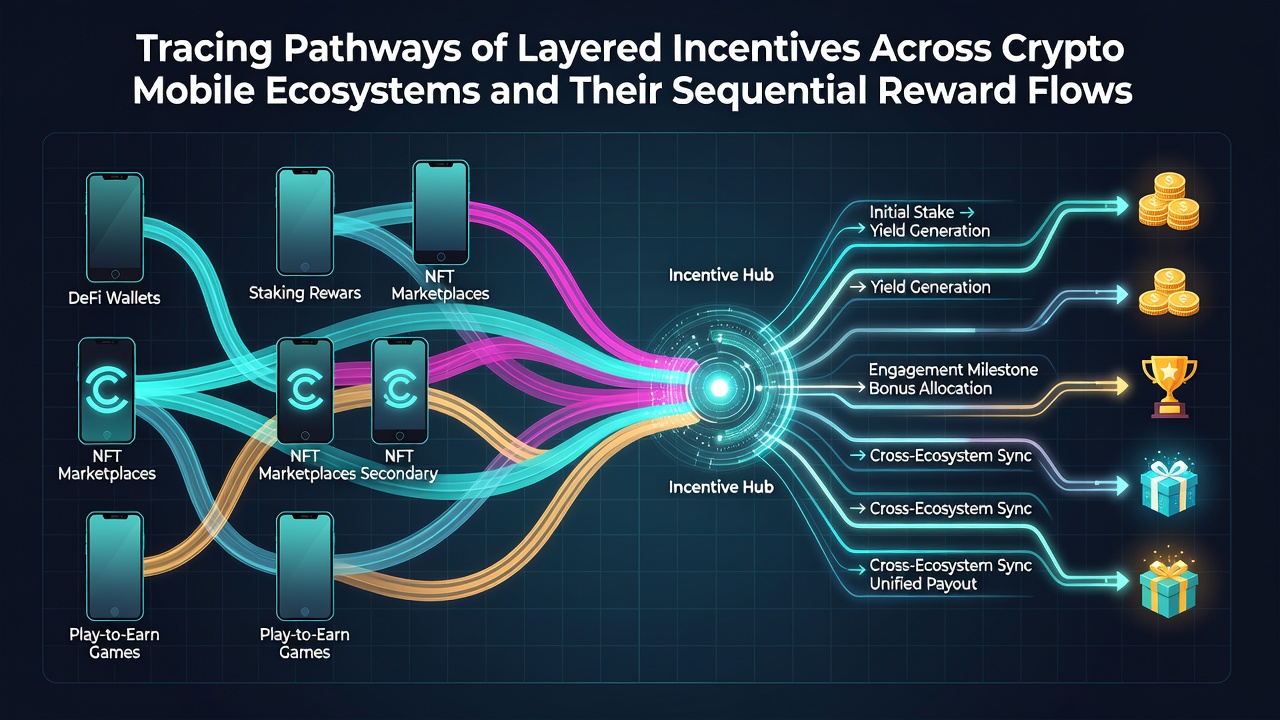
Tracing Pathways of Layered Incentives Across Crypto Mobile Ecosystems adn Their Sequential Reward Flows
Layered incentives in crypto mobile ecosystems operate through interconnected digital pathways where initial token distributions connect directly to subsequent reward mechanisms that users unlock over defined sequences. These structures rely on blockchain ledgers to record each step, allowing mobile applications to verify participation before releasing the next layer of value such as additional tokens or access rights. Data from industry tracking services shows that such flows often begin with wallet-based onboarding rewards that trigger conditional bonuses once users complete specific on-chain actions like staking or liquidity provision.
Mapping Initial Distribution Layers in Mobile Crypto Environments
Initial layers typically activate upon user registration within a mobile app where cryptographic signatures confirm identity and allocate base incentives drawn from protocol treasuries or partner allocations. Researchers note that these entry points link to smart contract conditions which monitor subsequent behaviors including transaction volumes and holding periods before advancing users to the next reward tier. In June 2026 platform operators continued refining these entry mechanisms to align with evolving compliance frameworks across multiple jurisdictions while maintaining seamless mobile execution.
Sequential reward flows gain complexity when apps integrate cross-chain bridges that transfer incentive eligibility between different blockchain networks and this process often involves automated verification steps that prevent premature claims. Observers have documented cases where early rewards convert into governance tokens that then unlock voting rights or fee discounts in later stages creating a chain of dependent benefits that extend user engagement across weeks or months.
Sequential Flows and Algorithmic Matching in App Ecosystems
Algorithmic systems within these ecosystems match user activity patterns to available reward layers by analyzing on-chain data in real time and this matching determines whether a participant qualifies for escalated incentives such as boosted yields or exclusive asset drops. Studies conducted by academic groups have examined how these algorithms prioritize certain transaction types over others thereby shaping the overall pathway velocity for different user segments. The reality is that mobile interfaces display progress indicators that update as each condition clears allowing participants to visualize their position within the layered structure without needing external tools.
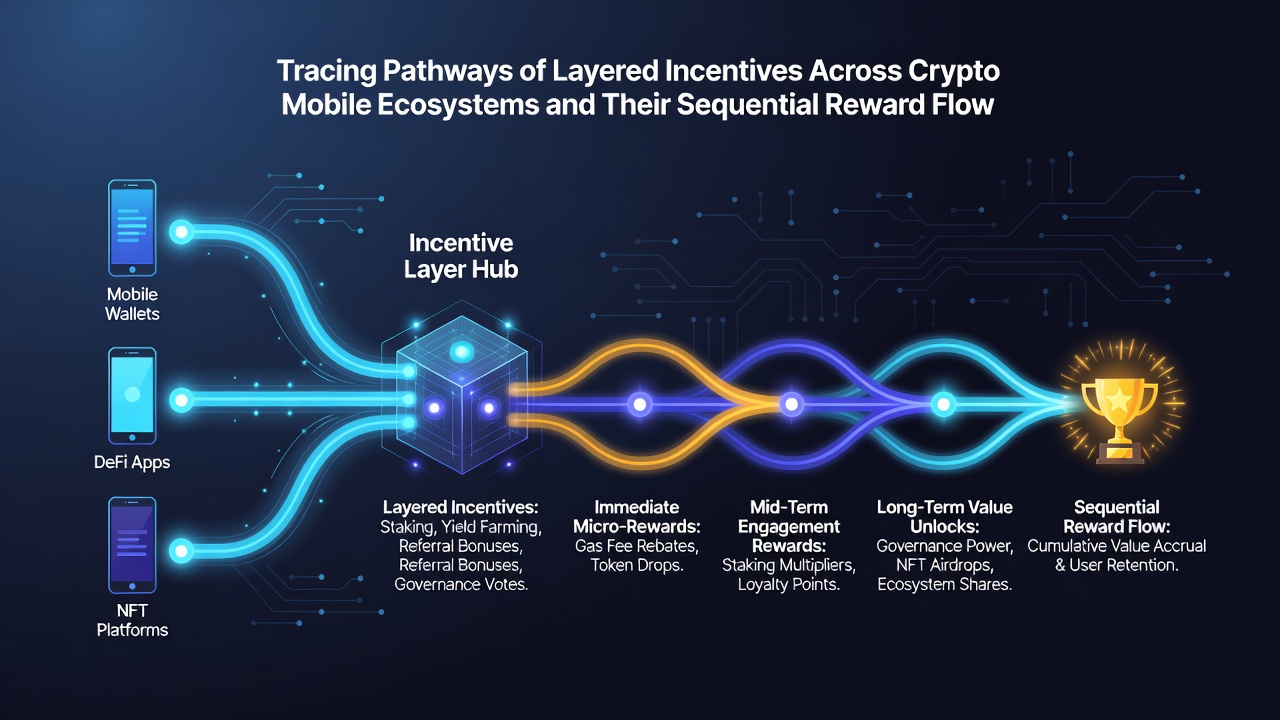
External integrations with payment processors and oracle services further extend these flows by feeding off-chain data such as market prices or user verification status back into the incentive contracts. According to a report published by the European Gaming and Betting Association such integrations have increased the accuracy of reward eligibility checks in regulated markets during the first half of 2026. Yet another dimension emerges when protocols layer referral incentives on top of core rewards creating secondary pathways that branch outward from primary user journeys and distribute value to both referrers and referred parties upon successful completions.
Intersections with Regulatory Developments and Ecosystem Adaptations
Regulatory shifts in various regions have prompted developers to embed compliance checkpoints directly into sequential flows so that reward releases pause automatically if jurisdictional requirements are not met. The American Gaming Association has highlighted in its publications how mobile crypto platforms adjusted their incentive architectures to incorporate these safeguards while preserving the layered progression that users expect. Data indicates that platforms operating in multiple territories often maintain parallel flow versions tailored to local rules which adds another variable to the tracing process for analysts and participants alike.
One study revealed that users who navigate multiple layers within a single ecosystem tend to exhibit longer retention periods compared with those engaging only initial rewards and this pattern holds across several documented mobile deployments. What's interesting is how these pathways incorporate decay mechanisms that reduce unclaimed rewards over time thereby encouraging timely progression through the sequence without external prompting.
Conclusion
Tracing these pathways reveals a dynamic system where each layer depends on verifiable actions recorded across distributed ledgers and mobile interfaces serve as the primary access points for participants. Continued evolution of these structures through 2026 reflects ongoing efforts to balance incentive distribution with operational and regulatory constraints while sequential flows remain central to maintaining engagement within crypto mobile ecosystems.