Unveiling Algorithmic Influences on Sequential Bonus Activation in App-Driven Gaming Networks
Zoe Becker · Aug 3, 2026
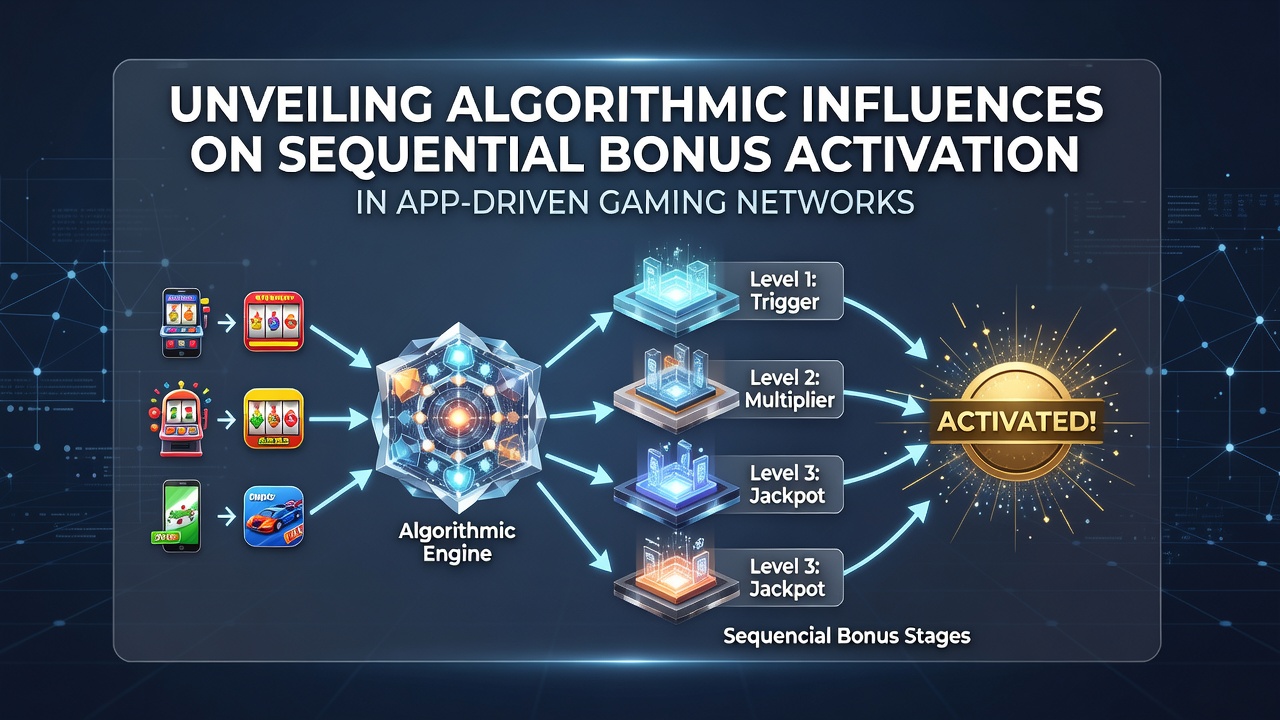
Unveiling Algorithmic Influences on Sequential Bonus Activation in App-Driven Gaming Networks
App-driven gaming networks rely on complex algorithms to manage how bonuses activate in sequence, and these systems process user behavior data in real time to determine eligibility for rewards like free spins or deposit matches. Developers design these frameworks to create layered progressions where one bonus completion triggers the next phase, often based on metrics such as session duration, wager amounts, and login frequency. Research indicates that such sequential activation helps maintain engagement across platforms, while data from industry reports shows patterns emerging in markets where mobile apps dominate player interactions.
Core Mechanisms Behind Sequential Triggers
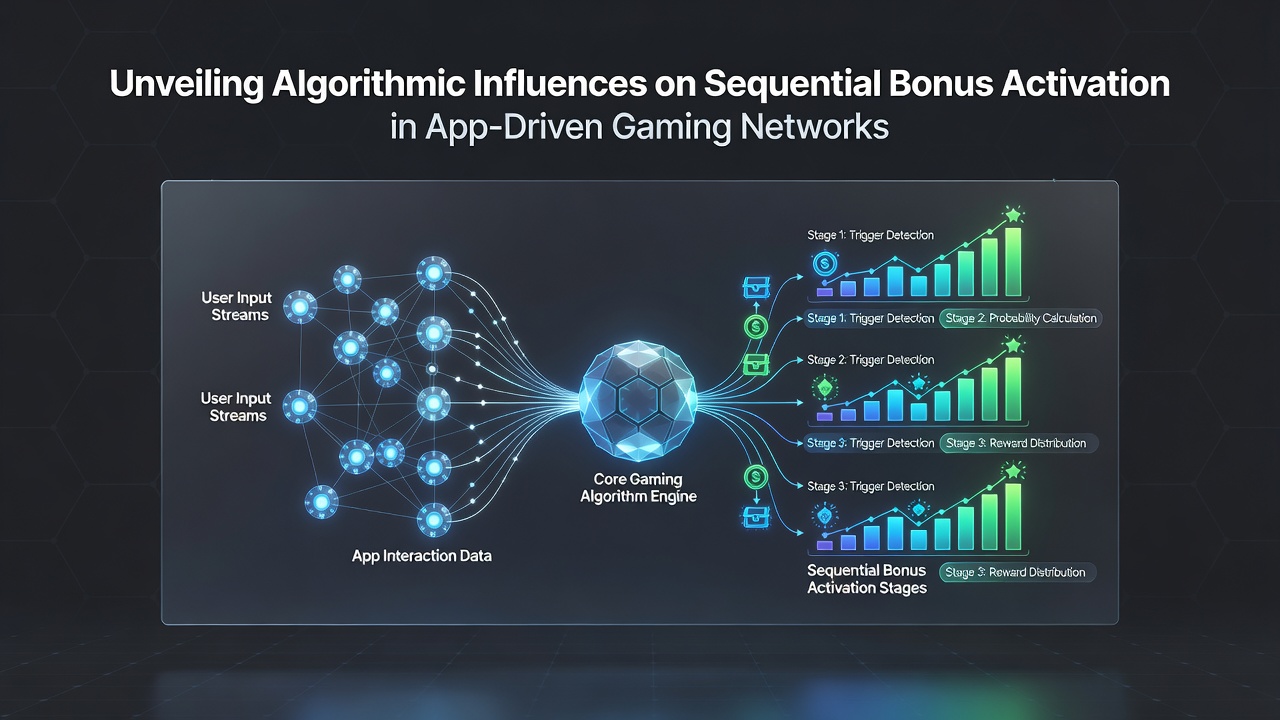
Algorithms evaluate multiple variables before unlocking the next bonus layer, and they combine historical play data with current session inputs to calculate activation probabilities. Machine learning models adjust thresholds dynamically, which means a player completing an initial welcome sequence might encounter personalized conditions for subsequent rewards. Observers note that these processes operate through decision trees and neural networks that prioritize retention signals, and studies from academic institutions have mapped how these models reduce random elements in favor of predictable progression paths. In August 2026, updates to several major gaming apps demonstrated refined sequencing that incorporated location-based data alongside behavioral metrics, allowing operators to align bonuses with regional regulatory requirements.
Sequential systems often segment users into cohorts based on predicted lifetime value, and algorithms route high-engagement profiles toward longer reward chains while directing others to shorter cycles. This segmentation draws from clustering techniques that group similar activity histories, then applies rule sets to enforce order. Those who've examined code structures in public developer documentation find that activation checks run at fixed intervals, such as after every ten spins or upon reaching deposit milestones, which creates measurable checkpoints within the app environment.
Data Inputs and Personalization Layers
User profiles feed continuous streams of information into the algorithmic engine, including device type, time-of-day patterns, and response rates to prior offers. These inputs enable fine-tuned sequencing where bonuses adapt to individual trajectories rather than applying uniform rules across the network. Evidence from platform analytics reveals that personalization increases completion rates for chained rewards, and operators integrate feedback loops that refine future sequences based on aggregate outcomes. What's interesting here is how external factors like network latency or app version updates can influence timing, since algorithms must account for technical variables when scheduling activations.
Geographic regulations shape how these algorithms function in different regions, and companies adjust parameters to comply with local rules on bonus transparency and payout frequencies. For instance, Canadian provincial oversight bodies have published guidelines that require clear disclosure of activation criteria, prompting developers to embed explanatory text within app interfaces. Similarly, Australian state-level gaming authorities track algorithmic fairness through periodic audits, which encourages the use of auditable decision logs that document each sequential step.
Integration with Broader Gaming Ecosystems
App networks connect sequential bonuses to payment gateways and loyalty databases, creating unified pathways where reward activation influences deposit behaviors and vice versa. Algorithms monitor cross-platform interactions, such as when a user shifts from mobile slots to table games, and they adjust upcoming bonuses accordingly. Reports from the American Gaming Association highlight how these integrations support revenue stability across digital channels, while research papers from institutions like the University of Nevada Reno examine correlations between sequenced incentives and session lengths. And operators test variations through controlled A/B experiments that compare activation rates across algorithm versions, revealing which sequencing rules produce sustained participation without breaching compliance standards.
Security protocols safeguard the data pipelines that drive these systems, and encryption standards protect user information as it moves between app servers and analytical modules. Any breach in sequencing logic could expose patterns that affect player trust, so developers implement verification layers that validate each bonus trigger before release. Those monitoring industry trends note rising investments in explainable AI tools that let operators review why specific sequences activated for certain accounts, which aids both troubleshooting and regulatory reporting.
Conclusion
Algorithmic control over sequential bonus activation continues to evolve within app-driven gaming networks as new data sources and compliance demands emerge. Platforms refine their models to balance engagement goals with transparency requirements, and ongoing developments in August 2026 underscore the role of adaptive systems in shaping reward delivery. External analyses from bodies such as the American Gaming Association and academic reviews provide frameworks for understanding these influences, while regional regulators maintain oversight to ensure sequences operate within established boundaries. The interplay between code logic and user activity remains central to how these networks function at scale.